Technology has changed the way people communicate, work, shop, learn, and interact with businesses. Today, almost every digital experience is connected to either mobile technology, web technology, or a combination of both. From checking emails on a smartphone to purchasing products through an online store, mobile and web technologies have become an important part of everyday life.
Businesses also depend heavily on these technologies to reach customers, manage operations, provide services, and grow online. A company may use a website to introduce its services, a mobile application to communicate with customers, and cloud-based systems to manage information behind the scenes. Together, these technologies create a connected digital environment.
The growing use of smartphones and the internet has also increased the importance of mobile web technology. People expect websites and applications to load quickly, work smoothly, and provide a good experience on different screen sizes. This has made mobile-friendly websites, responsive design, web applications, and mobile applications important areas of modern technology.
In this guide, we will explore what mobile and web technologies are, how they work, the difference between mobile and web applications, modern development technologies, their business benefits, and how these technologies are shaping the future of the digital world.
Mobile and web technologies refer to the tools, programming languages, frameworks, platforms, and systems used to create digital experiences for smartphones, tablets, computers, and other internet-connected devices.
Mobile technology generally focuses on devices such as smartphones and tablets. It includes mobile applications, mobile operating systems, mobile interfaces, wireless communication, mobile security, and technologies that allow people to access digital services from anywhere.
Web technology focuses on websites and web applications that users access through internet browsers. Websites such as online stores, business websites, social networks, educational platforms, banking systems, and web-based management systems are all examples of web technology in action.
Although mobile and web technologies are different areas, they are increasingly connected. A modern website needs to work properly on mobile devices, while many mobile applications communicate with web servers and cloud platforms to store and process information.
This connection between mobile and web technologies has created a digital environment where users can move between websites, mobile applications, and online services without losing access to their information.
Mobile web technology refers to technologies that allow users to access websites and web-based services through mobile devices such as smartphones and tablets.
A mobile website is different from a traditional desktop-only website because it needs to work effectively on a smaller screen and under different network conditions. Mobile users may have slower internet connections, smaller displays, touch-based controls, and different browsing habits.
Modern mobile web technology uses responsive design, flexible layouts, optimized images, mobile-friendly navigation, efficient code, and other techniques to provide a better experience on smartphones and tablets.
For example, when a user opens an online store on a smartphone, the website may automatically adjust its layout to fit the screen. Images become smaller, navigation changes, buttons become easier to tap, and content is arranged vertically. This is one of the practical uses of mobile web technology.
Mobile web technology has become particularly important because a large amount of internet activity now takes place through mobile devices. Businesses therefore need to think about mobile users when designing and developing websites.
Mobile technology and web technology overlap in many areas, but they are not the same.
Mobile technology primarily focuses on software and services designed for mobile devices. A native Android or iOS application is an example of mobile technology because it is specifically developed to operate within a mobile environment.
Web technology usually focuses on websites and web applications that users access through browsers. A user does not necessarily need to install a web application because it can often be accessed through a URL.
The development process can also be different. Mobile applications may require technologies and development environments designed for Android or iOS, while web applications commonly use technologies such as HTML, CSS, JavaScript, databases, servers, and web frameworks.
However, modern development has reduced the gap between these two areas. Progressive web applications, responsive websites, cross-platform frameworks, and cloud-based systems allow developers to create experiences that work across multiple devices.
Mobile technology combines hardware, software, communication networks, operating systems, applications, and online services.
A smartphone contains hardware components such as a processor, memory, storage, camera, sensors, and network connectivity. The operating system manages these components and provides an environment where applications can run.
Android and iOS are major examples of mobile operating systems. Applications are developed to work within these operating environments and can use device capabilities such as cameras, GPS, notifications, storage, microphones, and sensors when permission is provided.
Many mobile applications also communicate with remote servers. For example, when a user logs into a shopping application, the application may send login information to a server. The server checks the information against a database and sends a response back to the application.
This means that a mobile application may include both a mobile interface and a backend system. The mobile application handles the user experience while the backend can handle authentication, databases, payments, business logic, and other processes.
Web technology works through communication between a user's browser and web servers.
When someone enters a website address into a browser, the browser sends a request to the appropriate server. The server processes the request and returns information that the browser can display.
HTML provides the basic structure of a webpage. CSS controls its appearance and layout, while JavaScript can add interactive behavior and dynamic functionality.
Modern websites often contain much more than these basic technologies. Web applications can use backend programming languages, databases, APIs, authentication systems, cloud platforms, content management systems, and third-party services.
For example, an e-commerce website may use a frontend interface where customers browse products and a backend system that manages product information, customers, orders, payments, inventory, and shipping.
This combination of frontend and backend technologies makes modern websites much more powerful than simple static pages.
Mobile applications and web applications both provide digital services, but they work in different ways.
A mobile application is generally installed on a smartphone or tablet. Once installed, it can provide access to device features and may offer functionality even when internet connectivity is limited, depending on how the application is designed.
A web application is accessed through a browser. Users can generally open it without installing traditional software on their devices.
For businesses, the choice between a mobile application and a web application depends on the type of service, target audience, functionality, budget, and long-term requirements.
A business that needs GPS functionality, advanced notifications, camera integration, or other device-specific features may benefit from a mobile application. A business that wants customers to access its services easily through a browser may focus on a responsive website or web application.
In many cases, businesses use both. A website can provide broad accessibility through search engines, while a mobile application can provide a more specialized experience for returning users.
Responsive web design is one of the most important parts of modern mobile web technology.
A responsive website automatically adapts its layout to different screen sizes. Instead of creating completely separate websites for desktop and mobile users, developers can use flexible layouts that respond to the user's device.
A responsive website should be easy to navigate on a smartphone. Text should be readable without unnecessary zooming, buttons should be large enough to tap, images should fit the screen, and important content should remain accessible.
Mobile-friendly design is also important for businesses because users may leave a website if it is difficult to use on their phones.
A website that works well on mobile devices can provide a better user experience and make it easier for visitors to contact a business, purchase products, read content, or complete forms.
Mobile web development has evolved significantly over the years. Developers now have access to powerful frameworks, libraries, APIs, development tools, cloud services, and performance technologies.
HTML, CSS, and JavaScript remain fundamental technologies for web development. However, modern applications often use frameworks and libraries to make development more organized and efficient.
React is widely used for creating interactive user interfaces. Next.js builds on React and provides features for modern web applications, including routing, rendering options, and server-side functionality.
Other technologies such as Vue, Angular, Node.js, Laravel, Django, and various database systems are also used to build web applications.
The technology selected for a project depends on its requirements rather than simply choosing the most popular framework.
Frontend development focuses on the part of an application that users can see and interact with.
HTML is responsible for the structure of web pages. CSS controls elements such as colors, spacing, typography, layouts, and responsive behavior. JavaScript adds interaction and dynamic functionality.
Modern frontend development often uses component-based frameworks and libraries. These tools allow developers to divide interfaces into reusable components.
For example, a website may have reusable components for navigation, buttons, product cards, forms, footers, and dashboards. This approach can make large applications easier to maintain.
Frontend development is not only about appearance. Performance, accessibility, responsiveness, usability, and interaction are also important parts of creating a successful digital experience.
The backend is responsible for many processes that users do not directly see.
A backend can manage user accounts, authentication, databases, business rules, file uploads, payments, APIs, and other services.
Node.js is commonly used for backend development with JavaScript. PHP remains widely used for websites and web applications, particularly through platforms and frameworks such as Laravel. Python can also be used for backend development through frameworks such as Django and Flask.
Databases are another important part of backend systems. MongoDB, MySQL, PostgreSQL, and other database technologies allow applications to store and retrieve information.
For example, when a customer creates an account on an online platform, their information may be stored in a database. When they log in later, the backend retrieves the required information and verifies their credentials.
Application Programming Interfaces, commonly called APIs, allow different software systems to communicate with each other.
APIs are extremely important in modern mobile and web development. A mobile application may communicate with a backend API to retrieve user information, products, orders, messages, or other data.
A web application can use APIs in a similar way.
For example, an online shopping application may request product information from an API. The backend receives the request, retrieves the relevant information from the database, and returns the data to the application.
APIs also allow businesses to connect their systems with external services such as payment platforms, maps, email services, social platforms, analytics systems, and cloud storage.
Cloud computing has become an important part of modern mobile and web technologies.
Instead of running every part of an application on a company's physical servers, businesses can use cloud infrastructure to host websites, databases, applications, files, and other services.
Cloud platforms can provide scalability, storage, computing resources, security features, monitoring, and deployment tools.
For developers, cloud services can make it easier to deploy applications and manage infrastructure. For businesses, cloud technology can provide flexible resources as their digital services grow.
Modern web applications may use cloud databases, cloud storage, serverless functions, content delivery networks, and automated deployment systems.
Artificial intelligence is becoming increasingly connected with mobile and web applications.
AI can be integrated into websites and applications to provide features such as chat assistants, recommendation systems, automated content processing, image recognition, search improvements, personalization, and customer support.
For example, an e-commerce website can use AI to recommend products based on a customer's browsing behavior. A customer service application can use an AI assistant to answer common questions.
Mobile applications can also use AI features through cloud APIs or on-device processing.
As AI technology continues to develop, developers are increasingly combining artificial intelligence with mobile and web technologies to create more personalized and automated digital experiences.
Progressive Web Apps, commonly known as PWAs, combine several characteristics of websites and mobile applications.
A PWA can be accessed through a web browser while providing features that can make the experience feel more like a traditional application.
Depending on its implementation and browser support, a PWA can provide capabilities such as installation, caching, offline functionality, notifications, and fast loading.
This approach can be useful for businesses that want an application-like experience without requiring users to install a traditional native application.
Progressive web technology continues to be an interesting area of mobile web development because it provides developers with another way to deliver digital services across devices.
Mobile and web technologies have changed how businesses interact with customers.
A small business can now create a website and reach customers beyond its physical location. An online store can accept orders from customers in different cities or countries. Service businesses can allow customers to submit inquiries online, schedule appointments, or communicate through digital platforms.
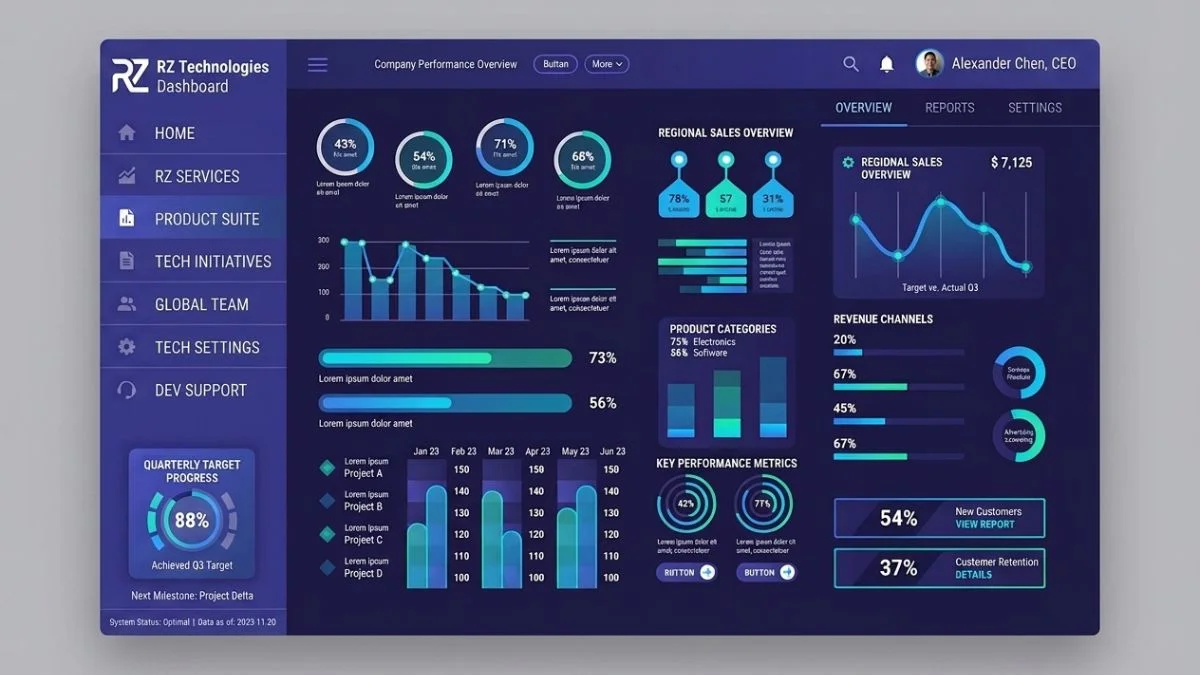
Web applications can also improve internal business processes. Companies can use online dashboards to manage employees, customers, products, sales, documents, and other information.
Mobile applications can provide employees and customers with access to important services while they are away from a computer.
This means that mobile and web technologies are not only marketing tools. They can become an important part of business operations.
One major benefit of mobile and web technologies is accessibility. Users can access digital services from different devices and locations.
Another important benefit is convenience. Customers can interact with businesses at any time without always needing to visit a physical location.
Mobile and web technologies can also improve communication. Websites, applications, online forms, messaging systems, and notifications allow businesses to communicate with customers more efficiently.
They can also help businesses automate repetitive processes. Online ordering, automated emails, customer dashboards, appointment systems, and payment processing can reduce manual work.
For growing businesses, digital technology can also make it easier to reach larger audiences. A well-developed website can attract visitors through search engines, while mobile applications can create an additional channel for customer engagement.
Although mobile and web technologies provide many opportunities, developing and maintaining digital systems also comes with challenges.
Security is one of the most important concerns. Websites and applications can contain sensitive information, including user accounts and business data. Developers therefore need to consider authentication, authorization, secure communication, data protection, and regular updates.
Performance is another challenge. Users expect websites and applications to load quickly. Large images, unnecessary scripts, poor server configuration, and inefficient code can negatively affect performance.
Compatibility can also be difficult because users have different devices, browsers, screen sizes, and operating systems.
Maintenance is equally important. A website or application is not finished forever after its initial launch. Software dependencies, security requirements, operating systems, browsers, and user expectations continue to change.
The future of mobile and web technologies is likely to involve even greater integration between websites, applications, cloud platforms, artificial intelligence, and connected devices.
Web applications are becoming more powerful, while mobile devices continue to gain advanced hardware and software capabilities.
Artificial intelligence will likely become more common in both web and mobile applications. Businesses may use AI to automate customer support, analyze information, personalize experiences, and improve internal processes.
Voice interfaces, augmented reality, real-time applications, connected devices, and advanced cloud systems may also influence future development.
Another important direction is the continued focus on performance, accessibility, privacy, and security. Users expect digital services to be fast and convenient, but they also increasingly expect their information to be handled responsibly.
Choosing a technology should begin with understanding the actual business problem.
A company should consider what it wants users to accomplish, who the users are, which devices they use, how much data the system needs to manage, and what features are required.
A simple business website may not need a complex application architecture. On the other hand, an online marketplace, educational platform, banking system, or large business management application may require a more advanced technology stack.
Budget is another consideration, but businesses should also think about long-term maintenance and scalability.
The right technology is therefore not necessarily the newest technology. It is the technology that provides a practical solution to the project's requirements.
Small businesses can benefit significantly from modern mobile and web technologies.
A professional website can help a business establish an online presence and provide customers with information about its products or services.
An online contact system can make it easier for potential customers to send inquiries. An e-commerce platform can allow businesses to sell products online. A customer management system can help organize customer information and communication.
Mobile-friendly design is particularly important for small businesses because customers may first discover a company through their smartphones.
For many businesses, the first step does not need to be a complex mobile application. A fast, responsive, secure, and well-designed website can provide a strong digital foundation.
As the business grows, additional technologies such as web applications, mobile applications, APIs, automation, cloud systems, and AI features can be introduced when they provide a genuine business benefit.
Mobile web technology is also closely connected with search engine optimization.
Search engines evaluate many aspects of a website when determining how pages should appear in search results. Mobile usability, page experience, content quality, accessibility, performance, and technical implementation can all affect how users experience a website.
A website that works poorly on smartphones can create a frustrating experience for visitors. Users may leave quickly, struggle to navigate pages, or fail to complete important actions.
Mobile-friendly development therefore supports both users and the broader SEO strategy.
Businesses should also make sure that important content is accessible to mobile users and that their pages provide useful information rather than simply repeating keywords.
E-commerce is one of the clearest examples of mobile and web technologies working together.
Customers can discover products through search engines, social media, advertisements, websites, and mobile applications. They can then view product information, compare products, add items to a cart, make payments, and track orders through digital systems.
Behind the scenes, e-commerce platforms may use databases, payment APIs, inventory systems, shipping integrations, customer accounts, analytics, and cloud infrastructure.
A mobile-friendly e-commerce website is particularly important because customers increasingly browse products from smartphones.
A smooth purchasing experience can make it easier for visitors to move from discovering a product to completing an order.
Education has also changed through mobile and web technologies.
Students can access online courses, educational websites, digital libraries, quizzes, assignments, video lessons, and communication systems through smartphones and computers.
Learning management systems can allow educational institutions to manage students, courses, teachers, assignments, results, and communication from a centralized platform.
Mobile technology can make learning more accessible because students can access educational material from different locations.
Web technology also allows educational organizations to provide resources to a larger audience without requiring everyone to be physically present in the same location.
Healthcare organizations also use digital technology for communication, appointments, records, patient portals, and other services.
Web-based systems can allow patients to access information and communicate with healthcare providers. Mobile applications can provide additional access to healthcare-related services.
Because healthcare data can be highly sensitive, security and privacy are particularly important when developing healthcare applications.
The technology used in such systems must therefore consider both functionality and responsible data handling.
Digital marketing increasingly depends on mobile and web technologies.
Businesses use websites as central platforms for publishing information, attracting search traffic, generating leads, and communicating with customers.
Mobile-friendly websites can help businesses provide a consistent experience to users who discover them through smartphones.
Web analytics can help businesses understand how visitors interact with their websites. Marketing platforms can connect websites with email campaigns, advertising systems, customer relationship management platforms, and other services.
This creates a connected digital marketing environment where businesses can measure and improve their online activities.
Developers play an important role in turning business ideas into functional digital products.
A developer may work on the frontend interface, backend services, databases, APIs, authentication, security, deployment, or other parts of a system.
Modern developers often need to understand more than a single programming language. They may need knowledge of frontend development, backend development, databases, APIs, version control, cloud deployment, security, and performance.
However, technology continues to change, so developers also need to keep learning.
The most valuable skill is not simply memorizing a particular framework. Understanding programming concepts, problem-solving, system architecture, user requirements, and how different technologies work together provides a stronger foundation.
Mobile and web technologies have become fundamental parts of the modern digital world. From simple business websites to complex mobile applications and cloud-based platforms, these technologies allow businesses and individuals to communicate, work, sell, learn, and access services in new ways.
Mobile web technology has become especially important because smartphones are now a major way people access the internet. Businesses therefore need digital experiences that work smoothly across mobile devices, tablets, and computers.
The combination of responsive web design, modern frontend frameworks, backend technologies, databases, APIs, cloud computing, artificial intelligence, and mobile development provides businesses with many opportunities to create useful digital products.
The right technology depends on the needs of each project. A small business may begin with a responsive website, while a larger organization may require a complete web application, mobile application, cloud infrastructure, and integrated backend system.
As technology continues to evolve, mobile and web development will remain an important part of digital transformation. Businesses that understand these technologies can build better digital experiences, improve communication with customers, and create more efficient ways of delivering their products and services.
The future of mobile and web technologies will continue to focus on speed, accessibility, security, personalization, artificial intelligence, and seamless experiences across different devices. For businesses, developers, and users, understanding these technologies is becoming less of an option and more of an important part of participating in the modern digital world.
Mobile and web technologies are the tools, programming languages, frameworks, platforms, and systems used to create websites, web applications, mobile applications, and other digital services.
Mobile web technology refers to technologies used to create websites and web applications that work effectively on smartphones and tablets. It includes responsive design, mobile-friendly interfaces, optimized performance, and browser-based functionality.
Mobile technology mainly focuses on smartphones and tablets, including mobile applications and mobile operating systems. Web technology focuses on websites and web applications that users access through internet browsers.
Mobile web technology is important because many people access websites through smartphones. A mobile-friendly website can make content easier to read, navigation easier to use, and online services more convenient for mobile visitors.
Common web development technologies include HTML, CSS, JavaScript, React, Next.js, Node.js, PHP, Python, databases, APIs, and cloud technologies. The appropriate technology depends on the requirements of the project.
Mobile applications are software programs designed to run on smartphones and tablets. They can provide features such as messaging, shopping, payments, navigation, entertainment, and access to business services.
Responsive web design is an approach that allows a website to automatically adjust its layout and content to different screen sizes, including smartphones, tablets, laptops, and desktop computers.
Mobile applications and websites serve different purposes. A website can be accessed directly through a browser, while a mobile application can provide deeper integration with device features. The appropriate option depends on the business and user requirements.
A web application is an interactive software system that runs through a web browser. Examples include online stores, customer dashboards, booking systems, learning platforms, and business management systems.
The future of mobile and web technologies is expected to involve greater use of artificial intelligence, cloud computing, progressive web applications, automation, improved security, and faster experiences across different devices.