By 2026, software will have stopped being a support function for businesses and will have become the very foundation of their competitiveness, scalability, and long-term survival. Custom software development demand will keep on growing across industries with startups creating their first MVPs, and enterprises upgrading their legacy systems. Nevertheless, one of the most frequent and fundamental questions that decision-makers inevitably ask before embarking on a project is how much software development actually costs.
The pricing of software development is convoluted as it depends on several factors, such as the project scope, the technology stack, the development team's location, the development method, and the long-term maintenance needs. Software, unlike physical goods, does not come with a fixed price. Every software solution is distinct, and its price tag mirrors the set of business objectives it aims to accomplish.
In this post, we give you a comprehensive and quite realistic picture of the software development costs expected in 2026. The post describes various pricing models, differences in costs by regions, hidden expenses, and even the trends of the future that can help businesses accurately plan their budgets and escape financial mishaps.
From the viewpoint of software development pricing, the last ten years have witnessed great changes. Earlier, the major factor affecting the cost of development was the amount of manual coding that had to be done and the waiting time for the delivery of the project. Today, in the year 2026, automation, AI-assisted development, cloud platforms, and reusable frameworks have fundamentally changed the way software gets built and priced.
On the one hand, these technological tools did make the process more efficient, but on the other hand, the overall software development expenses have not gone down. Rather, it is a matter of shifting them. Now, basically, if you ask a company what software they want, you will get those complicated answers: "We want highly efficient, fully secure, flawlessly integrated systems with AI-driven features and a great UX!" The result of these new demands is making the project more complex and, thus, pricier.
At the same time, the world of professionals has transformed, too. There are more and more people seeking jobs as developers, engineers, or architects. However, the supply of such experts cannot keep up with their demand, the result of which is an incredible shortage in the market and only less than a handful get to set the prices in any of the high tech labor markets.
Next year's software development costs are set in this way by a mixture of technical, operational, and business elements. One cannot simply understand how to compute the figures without knowing these two.
The level of intricacy of the project determines the greatest share of the price. How many development hours are required to build a simple app with very few functionalities? Very few, right? And also, this will need less expert specialization. On the other hand, a complicated system like an enterprise platform, a fintech solution, or an AI-assisted app will require advanced architecture, security compliance, and debugging at scale, pushing up costs greatly.
Then, there is the number of functionalities as a main factor. Feature count, user roles, third-party integrations, and data processing requirements each add to development time and cost. Feature creep, the phenomenon when new features are requested during development, is, in fact, one of the most common reasons for the overshoot of the project budget.
Technology selections also have a huge impact. Certain programming languages, frameworks, and platforms attract developers with very specialized skills, who then charge higher rates. Also, projects that feature the development of artificial intelligence, blockchain, or real-time data processing will automatically be higher due to their technical complexity.
There are certain differences in cost among types of software projects in the year 2026. Knowing these distinctions allows businesses to better manage their expectations in terms of budget.
A basic website or simple web application, which is meant primarily to provide information or allow basic user interaction, will generally have the lowest development cost. Such projects mostly require frontend design, basic backend logic, and a few integrations. The cost is quite controlled, mainly because the development period is limited, and there is little technical complexity.
Mobile application development is another significant cost category. Developing a native mobile app for iOS or Android requires separate development, testing, and maintenance for each platform. Cross-platform approaches can lower the cost, but there could be compromises on performance or customization. Apps with sophisticated features such as live chat, GPS, or AI-based personalization can considerably raise the development cost.
Enterprise software solutions are the costliest category. These systems have the capacity to manage large user populations, complex workflows, high security standards, and integration with the existing enterprise infrastructure. The time needed for development is much longer, and the costs of maintenance after release are also considerable.
Hourly billing is among the most popular methods of pricing in software development. Hourly rates differ drastically by region in 2026.
Developers in North America usually have the highest rates because of the high living costs, their strong technical skills, and their proximity to major business centers. Western Europe is a close second, providing high quality at somewhat lower rates in some areas.
With its well-established technical education systems and competitive prices, Eastern Europe is one of the most popular outsourcing destinations. The developers in this area generally provide an excellent compromise between cost and quality.
South Asia is still one of the most budget-friendly regions for software development. Besides competitive pricing, countries in this region also have an abundant talent pool, thus making the region the choice for startups and small companies. Nevertheless, issues like time zone differences, communication styles, and quality control should be handled cautiously.
Latin America, especially for North American businesses, has become increasingly popular in recent years, largely due to the advantage of similar time zones and the region's improving technical capabilities.
Making the right pricing decision goes hand in hand with figuring out the overall cost. In 2026, fixed price and time and material are the two most commonly used pricing models.
A fixed price contract can be a very good match for a project with well-defined requirements where there is no plan to make any changes. The total amount is agreed upon before the commencement of development, thus the budget is certain. On the other hand, fixed price contracts often include risk buffers, which is why they might look more costly at the beginning.
Time and material contracts reflect well the real work and the real resources, so clients can pay only for the actual work done, hours, and materials used. As for the time and material model, it is the adaptive one, and with proper project management, one can avoid spending more than what was budgeted.
Modern software development companies are inclined to advocate for hybrid pricing that entails combining fixed pricing for core features with time and material billing for enhancements and future iterations.
AI will be deeply involved in software development by 2026. By using AI-powered coding tools, automated testing frameworks, and intelligent project management systems, developers have been able to raise their productivity and have a less number of repetitive tasks.
AI, however, is not a magic wand that immediately brings the whole development process to a very low cost. In fact, it pushes the expenditure towards high-level activities such as system architecture, data modeling, algorithm optimization, and so on. Besides, providing AI-enabled options will require specialists, which will increase the rates.
Moreover, enterprises that build AI-powered software must consider that there will be future costs for data storage, model training, and performance monitoring. These are the costs that will be with you long after the development of the software is done.
User experience (UX) has turned into a vital factor that determines the success of software products. By 2026, consumers will demand seamless interfaces, quick responsiveness, and highly personalized experiences on all their gadgets.
The work of professional UI and UX designers primarily consisted of user research, wireframing, prototyping, usability testing, and visual design. These procedures do increase the development costs, but, on the other hand, they dramatically result in higher rates of user adoption and retention.
Trying to save money by neglecting the importance of UX design will often lead to spending a great deal more money on redesigns, user disengagement, and the loss of potential business.
Quality assurance is nowadays an inseparable part of software development. By the year 2026, software products will not only have to function seamlessly on all devices, browsers, and operating systems but also comply with strict security and performance standards.
The testing costs refer to the combination of manual testing, automated testing, performance testing, and security testing. The more complex the software, the more testing it requires, which is reflected in the longer development time and higher costs.
Making proper testing one of your priorities will bring the benefit of lowered future expenses resulting from the prevention of bugs, system breakdowns, and damage to the brand image.
The cost of software development involves a lot more than merely coding and designing. The costs of deployment and infrastructure also have a great impact on the total cost of ownership.
Cloud hosting platforms, for example, AWS, Azure, and Google Cloud, provide scalable infrastructure; however, they require continuous subscription fees. The choice of hosting architecture, data storage, and traffic volume will all have a direct influence on the monthly operating costs.
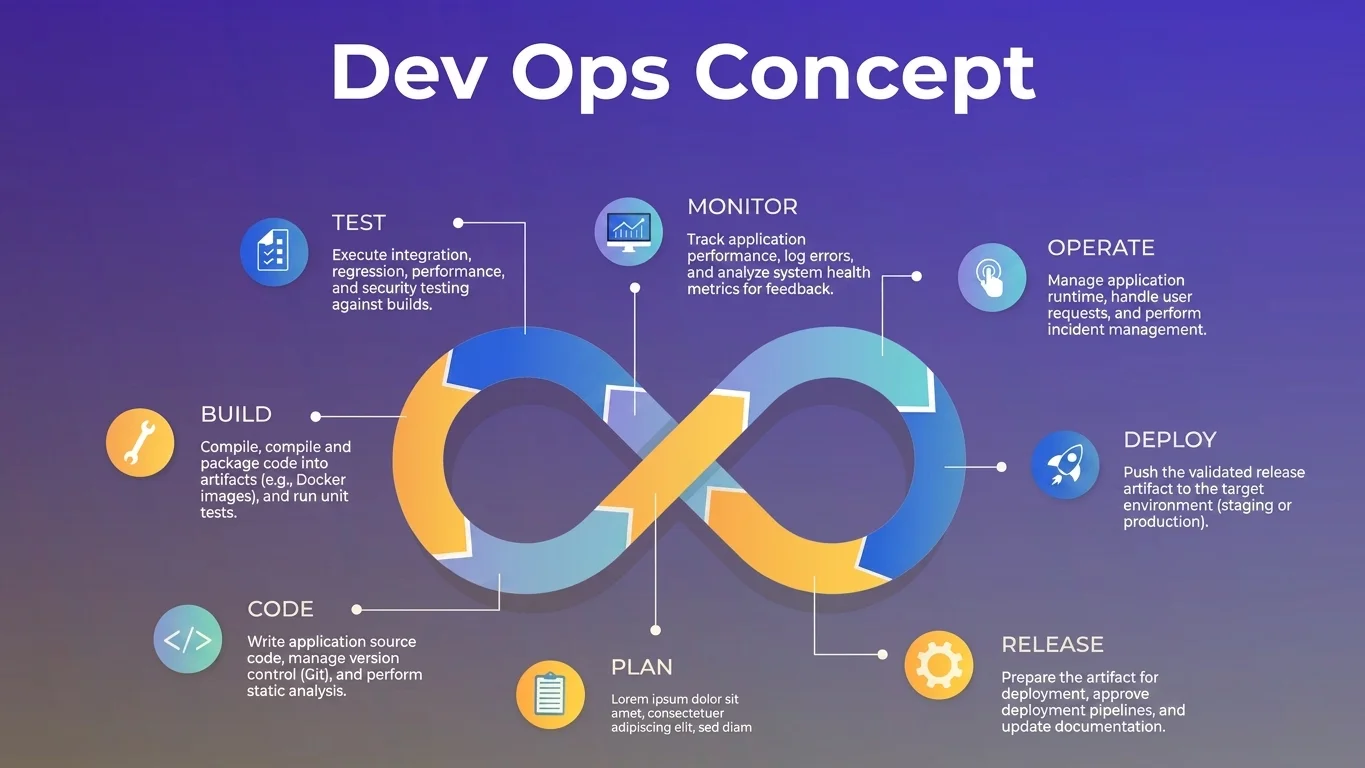
The implementation of DevOps methodologies that encompass continuous integration and deployment pipelines may result in increased upfront expenditure, but they will enhance reliability and minimize downtime problems faced in the long run.
Maintenance is probably the most unrecognized element of software development. It is said that in 2026, software will be in a constant state of evolution. To keep releasing brand new versions, fixing vulnerabilities, enhancing the performance, and upgrading the features.
The amount of money earmarked for annual maintenance is generally considered a large fraction of the cost of the initial creation. The companies have to allocate a budget for continuous support in order to achieve long-term growth and scalability.
The consequences of ignoring maintenance include the accumulation of technical debt, more security vulnerabilities, and a drop in the level of user satisfaction.
It is quite a common occurrence that software projects run over the budget due to a number of hidden costs that were not taken into account at the time of initial planning. These hidden costs consist of requirement changes, third-party service fees, licensing costs, compliance requirements, and internal resource allocation.
Investing in training employees to efficiently use new software is a further unnoticed expense. Regardless of how friendly the interface is, it will always necessitate some onboarding and documentation.
Legal and compliance expenses need not necessarily be disregarded, as they may become a part of the budget in the regulated sectors such as healthcare, finance, and e-commerce.
Getting the software cost estimation right hinges on having a well-defined set of requirements. Concentrating on aspects such as objectives, user workflow, and technical specifications, before sending out the request for quotation, is something that enterprises should do.
Cooperating with reputable software development companies that offer clear-cut pricing structures and comprehensive proposals paves the way for misunderstandings and conflicts. Besides, Agile software development practices make it possible to plan the budget and its control.
Keeping the lines of communication open and the progress visible ensures that the budget remains in line with what was originally planned throughout the entire lifecycle of the project.
Several factors unveil the character of software development costs in 2026. The growing popularity of low-code and no-code platforms is diminishing the time needed for the development of some application types, but still, custom solutions are the only answer when it comes to complicated cases.
The scale of cybersecurity measures keeps expanding, which is reflecting the rise in costs, but at the same time, is guaranteeing the protection of the value over the long term. Additionally, sustainability efforts and green computing are leaving their mark on the decisions related to the choice of infrastructure and pricing.
As working remotely is becoming a standard practice, the scope of global collaboration is increasing the supply of talents while prices remain competitive.
Software development in 2026 will be considered a strategic investment rather than only an expense. Companies that understand cost structures, pricing models, and the long-term effects will be able to make better decisions and get the most return on investment.
With the help of proper planning, hiring the right development partner, and setting up a full life-cycle budget for software, organizations can create scalable, secure, and future-ready solutions that are the basis of growth and innovation.
A successful software implementation not only provides the solution to the problem but also is a competitive advantage that can continuously support the business success over the years.
The cost of software development in 2026 depends a lot on things like how complex the project is, what features it has, the technology used, and where the development team is located. A simple app may come at a fraction of the price of an enterprise or AI-powered app, which both need top expertise and long development periods.
The major factors are the size of the project, the number of features, the platform on which it is developed, the skill of the team, where they are located, the security that is desired, and how the software will be maintained in the future.
Custom software usually comes at a higher price at the beginning; however, compared to off-the-shelf software, it generally offers better scalability, security, and value for the long term. On the other hand, off-the-shelf software is typically associated with recurring licensing fees and other limitations.
Hourly rates are different in various parts of the world. North America and Western Europe are the most expensive, whereas you can get cheaper rates in places like Eastern Europe, South Asia, and Latin America.
The optimal pricing model really depends on the details of your project. For a project with well-established requirements, you can use a fixed-price model. But if your software is complicated or changing, it would be better to go for a time-and-materials model.
AI certainly makes development more efficient, but it does not automatically mean that the overall costs will be lower. In fact, because of AI, you can spend more money on the higher-level design, data modeling, and AI expertise.
Sometimes there are hidden costs like third-party integration, cloud hosting, licensing, compliance with security regulations, upgrades in the future, training of staff, and maintenance in the long run.
A company in 2026 should set aside a certain percentage of the initial development price every year for maintenance, upgrading, security patching, and fine-tuning the performance.
You can get a low-code or no-code platform at a lower price if you are looking only for a simple app. Still, for complex, scalable, and enterprise-level solutions, custom software is always required.
If the requirements are well defined, development is agile, the tech stack is chosen properly, and the software house you are working with has the right experience, then the costs that do not bring value can be pretty much reduced.