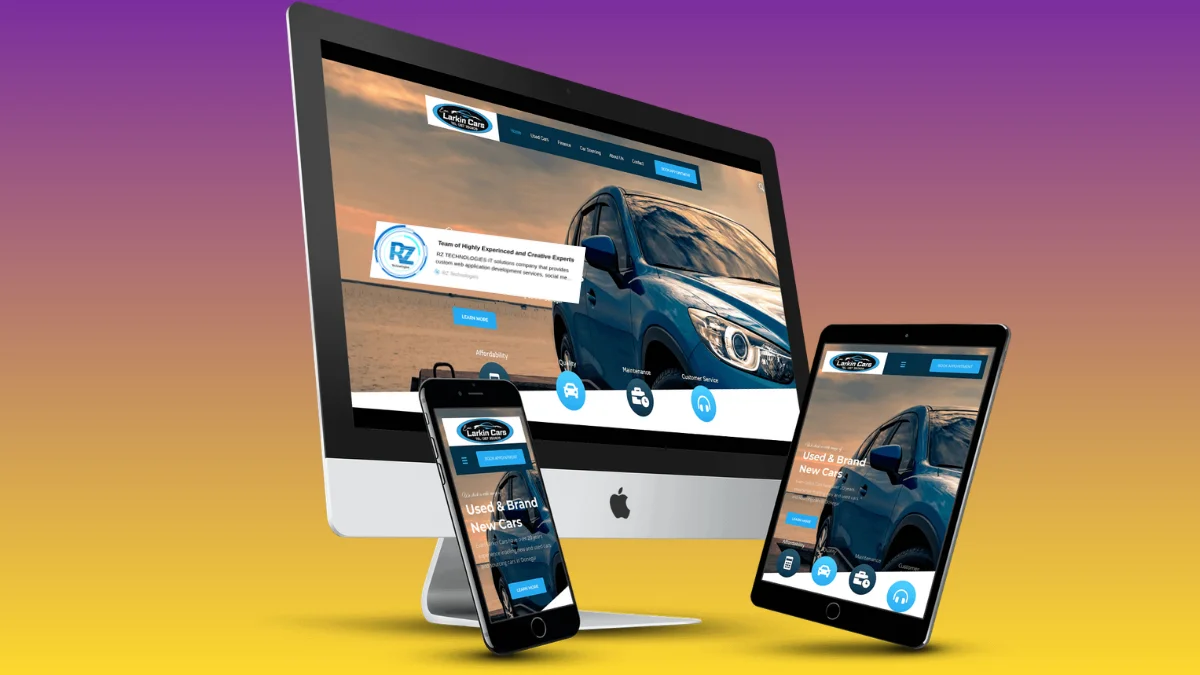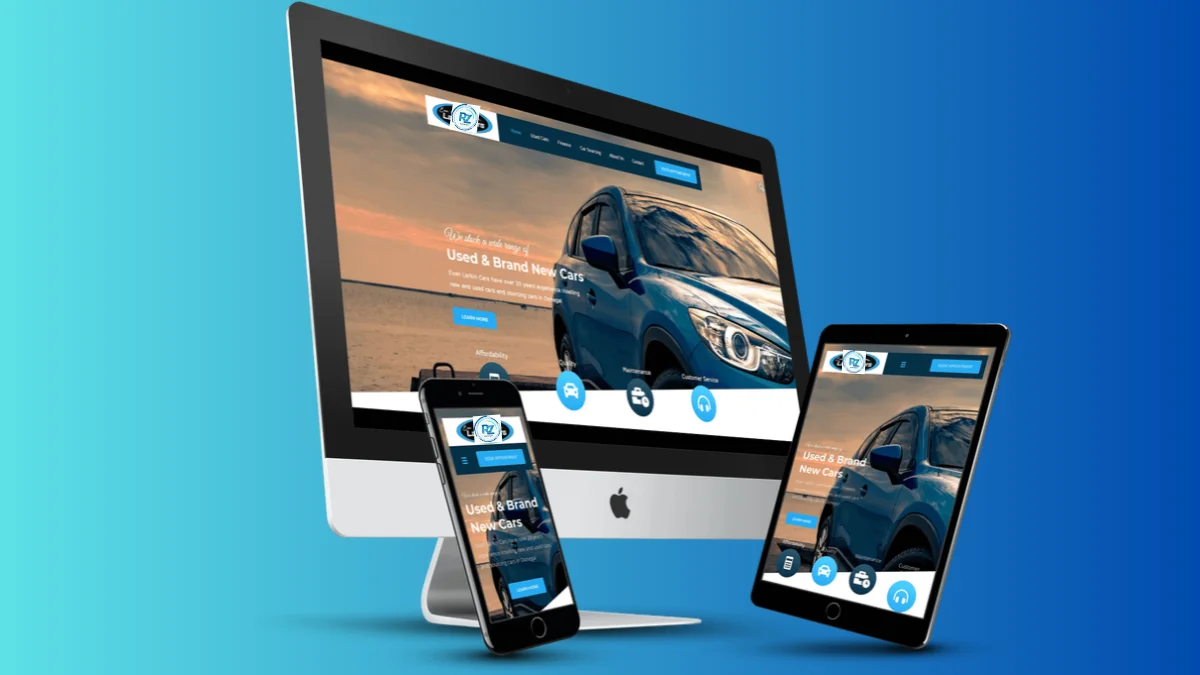
In 2027, businesses need more than a basic online presence to compete in the digital marketplace. Customers expect websites to be fast, interactive, informative, and easy to use. Whether someone is searching for a local service, exploring products, booking an appointment, or purchasing online, a modern website plays an important role in their decision-making process. This is why dynamic website development services in Poland are becoming an important investment for companies that want to improve their digital presence and business performance.
A dynamic website is different from a traditional static website because it can display changing content, process user requests, connect with databases, and provide interactive features. Businesses can manage information, update products, publish articles, receive enquiries, and deliver personalized experiences without manually changing every page.
For companies operating in Poland, dynamic website development offers opportunities to serve customers more effectively. From startups in Warsaw and technology companies in Kraków to retail businesses in Gdańsk, manufacturing companies in Wrocław, and professional service providers throughout the country, organizations can benefit from websites designed around their specific requirements.
Professional dynamic website development services combine modern design, frontend development, backend programming, database management, API integrations, security, and search engine optimization. The result is a website that not only looks professional but also performs important business functions.
In this guide, we will explore the best dynamic website development services in Poland for 2027, their benefits, essential features, development technologies, industry applications, SEO advantages, and how to choose the right development company.
Dynamic website development services involve creating websites that generate or display content based on user interactions, database information, and other changing data. Unlike basic static websites, dynamic websites can update information automatically and provide visitors with interactive experiences.
A static website usually displays fixed content stored in individual HTML files. If a business wants to change information across several pages, a developer may need to edit the website files manually. A dynamic website uses server-side programming, databases, and content management systems to make information easier to manage.
For example, an online store can display different products, prices, categories, and stock availability based on information stored in its database. When a customer searches for a product or applies a filter, the website can retrieve relevant information and display the results.
Similarly, a company website can include an administration dashboard that allows authorized users to update service descriptions, images, contact information, blog articles, and other content without directly editing the source code.
Professional dynamic website development services in Poland can include custom business websites, eCommerce platforms, booking systems, customer portals, membership websites, web applications, and content management systems.
These websites often contain several connected components. The frontend is the part visitors interact with, including buttons, forms, menus, images, and page layouts. The backend handles server-side operations, business logic, authentication, and data processing. The database stores information such as customer records, products, orders, services, and website content.
Dynamic websites may also connect with external systems through APIs. For example, a business can integrate payment gateways, email marketing platforms, customer relationship management systems, shipping services, and analytics tools.
The main purpose of dynamic website development is to create a flexible digital platform that supports business operations and provides a useful experience for customers.
For Polish businesses, this can mean easier content management, improved communication, better customer service, and the ability to introduce new website features as the organization grows.
The digital marketplace continues to evolve, and customers increasingly expect businesses to provide convenient online services. A website is often the first place where potential customers learn about a company, explore its offerings, and decide whether to make contact.
For businesses in Poland, a dynamic website can help create a stronger digital presence and support changing customer expectations.
One important reason is the need for regularly updated content. Businesses frequently introduce new services, update product information, publish announcements, change prices, and share industry news. A dynamic website allows authorized users to manage this information through an administration panel rather than requiring manual code changes for every update.
Another reason is customer interaction. Modern websites can provide contact forms, quotation requests, appointment scheduling, product searches, account registration, and customer dashboards. These features allow visitors to complete useful tasks directly through the website.
Dynamic website development is also valuable for companies that operate in competitive industries. Retailers, professional service providers, manufacturers, educational institutions, and technology companies need websites that communicate their value clearly and make it easy for customers to take action.
Businesses in major Polish cities such as Warsaw, Kraków, Wrocław, Poznań, and Gdańsk may serve customers locally, nationally, or internationally. A flexible website can support different locations, languages, service categories, and customer requirements.
Scalability is another important advantage. A small business may initially need only a few service pages and a contact form. As the company grows, it may require online payments, customer accounts, booking systems, product catalogs, or advanced reporting. A well-planned dynamic website can be expanded to support these requirements.
In 2027, businesses should also consider automation. Dynamic websites can connect with business tools to reduce repetitive tasks. For example, an enquiry form can send information to a CRM system, while an online order can trigger notifications and update order records.
Investing in professional dynamic website development services in Poland helps companies build a digital platform that supports both customer-facing activities and internal business processes.
A successful dynamic website should combine attractive design with reliable functionality. Its features should be selected according to the business model, target audience, and purpose of the website.
One essential feature is a content management system. A CMS allows website administrators to publish blog posts, update pages, upload images, and manage other information through an organized dashboard. WordPress is a widely used option for business websites, while custom CMS solutions may be suitable for more specialized requirements.
Database integration is another important feature. Dynamic websites use databases to store and retrieve information. Depending on the project, this information may include customer details, products, orders, service records, appointment schedules, and website content.
User authentication can provide secure access to customer accounts and administrative areas. Registration, login, password recovery, and permission management should be implemented carefully to protect user information.
Search and filtering functionality can improve the experience of visitors who need to find specific information. For example, an eCommerce website may allow customers to filter products by price, category, brand, or availability.
Dynamic websites may also include interactive forms. Businesses can use enquiry forms, booking forms, quotation requests, registration systems, feedback forms, and application forms to collect information from visitors.
Other useful features include:
Not every website needs all these features. A professional development company should first understand the business requirements and then recommend the most appropriate functionality.
A well-planned dynamic website avoids unnecessary complexity while providing the features customers and administrators actually need.
The technologies used to develop a dynamic website affect its performance, flexibility, security, and long-term maintenance. The best technology depends on the size of the project, required features, development budget, and future expansion plans.
HTML5 and CSS3 provide the foundation for website structure and visual presentation. JavaScript adds interactive features, such as dynamic menus, form validation, search interfaces, and real-time page updates.
PHP remains an important server-side technology for dynamic websites. It is widely used with WordPress and can also support custom web applications. Developers can use PHP with MySQL to create systems for managing products, users, orders, content, and other business information.
WordPress is a suitable option for many businesses that need a flexible website with an easy-to-use content management system. Companies can manage pages, publish blog posts, update images, and extend functionality through themes and plugins. WooCommerce can be used to build online stores with product management, carts, checkout functionality, and payment integrations.
For custom frontend development, React.js provides a component-based approach for building interactive user interfaces. It is useful for dashboards, portals, and web applications that require reusable components and dynamic interactions.
Next.js builds on React and provides additional features for building modern web applications. Depending on the configuration, it can support server rendering, static generation, routing, and other capabilities that help developers create structured websites and applications.
Node.js is another useful technology for backend development. It allows developers to build server-side applications using JavaScript and connect them with databases, APIs, and other services.
For data storage, MySQL and MongoDB are common options. MySQL is a relational database suitable for structured information such as orders, users, and products. MongoDB is a document-oriented database that can be useful for applications requiring flexible document structures.
Other technologies may include Bootstrap, Tailwind CSS, Laravel, Express.js, and REST APIs.
The best dynamic website development company in Poland should select technologies based on project requirements rather than choosing tools simply because they are popular. The goal is to create a website that is secure, maintainable, scalable, and suitable for the business.
Different industries have different digital requirements. A dynamic website should be developed according to the services, products, customers, and operational needs of each business.
For eCommerce companies, dynamic development makes it possible to manage product catalogs, categories, inventory, customer accounts, orders, discounts, and payment processing. Online stores can also include product search, filtering, reviews, and order tracking.
Real estate businesses can use dynamic websites to display property listings, photographs, prices, descriptions, and location information. Agents can manage listings through an administration dashboard, while visitors can search properties using filters such as price, property type, and location.
Healthcare organizations may need websites with appointment booking, service descriptions, clinic information, and enquiry forms. Depending on the system, additional integrations may support administrative workflows. Any handling of personal or health-related information must receive appropriate security and privacy protection.
Educational institutions can use dynamic websites to manage courses, admissions, student registrations, learning resources, and announcements. More advanced platforms may include student accounts, dashboards, and learning management functionality.
Restaurants and hospitality businesses can benefit from online menus, reservation systems, location pages, and enquiry forms. Customers should be able to access essential information and complete bookings conveniently from mobile devices.
Manufacturing companies may require product catalogs, technical documents, quotation forms, and distributor information. Dynamic content management allows businesses to update specifications and product details as their offerings change.
Professional service providers, including consulting firms, legal practices, accountants, and marketing agencies, can use dynamic websites to manage service pages, publish articles, collect enquiries, and organize customer requests.
Automotive businesses can develop websites with vehicle listings, service booking forms, spare parts catalogs, and customer enquiry systems.
Technology companies and startups may need custom portals, software dashboards, subscription systems, or API-connected applications.
Dynamic website development services in Poland can support all these industries by creating solutions that match specific business requirements. Instead of using a generic template for every project, developers can build functionality around the way each company operates.
A dynamic website should be designed with search engine optimization, speed, and security in mind. These elements influence how visitors experience the website and how effectively search engines can discover and understand its content.
Technical SEO begins with a clear website structure. Pages should have descriptive URLs, unique page titles, relevant meta descriptions, and organized heading structures. Internal links should help visitors and search engines navigate related content.
Dynamic websites sometimes generate pages based on database information. Developers should ensure that important pages can be accessed by search engines and that unnecessary URL variations do not create duplicate content problems.
For businesses targeting customers in Poland, localized content can also support search visibility. Companies should use relevant Polish-language terms where appropriate and create useful service pages for their target locations. Businesses serving international customers may also need properly structured language versions.
Website performance is equally important. Dynamic websites can become slow when they use oversized images, unnecessary scripts, inefficient database queries, or too many plugins. Developers should optimize assets, use caching where suitable, minimize unnecessary code, and select appropriate hosting infrastructure.
Core Web Vitals provide useful measurements of page experience:
Performance should be tested on both desktop and mobile devices. A website that loads quickly on a powerful computer may still perform poorly on a mobile device or slower connection.
Security is another essential part of dynamic development because these websites often process user input and communicate with databases. Developers should validate input, use secure authentication, apply appropriate access permissions, and protect sensitive information.
Websites should use HTTPS, maintain updated software, and follow secure coding practices. WordPress websites require particular attention to plugin and theme updates, administrator permissions, backups, and security monitoring.
Businesses operating in Poland should also consider applicable European data protection requirements, including the General Data Protection Regulation (GDPR). Websites that collect personal information should explain how data is used and protected. Cookie consent mechanisms should be implemented where legally required.
A professional development process should include SEO, performance, and security checks before the website goes live, followed by regular maintenance.
Choosing the right development company is an important step in building a successful website. Businesses should evaluate technical experience, project quality, communication, pricing, and long-term support before making a decision.
Start by reviewing the company's portfolio. Look for examples of dynamic websites, custom web applications, eCommerce platforms, and content management systems. Test the websites on different devices to understand how well they perform and how easy they are to navigate.
Technical knowledge is another important consideration. Depending on the project, a development company may need experience with PHP, WordPress, WooCommerce, JavaScript, React, Next.js, Node.js, MySQL, MongoDB, and API integration.
Businesses should also understand the development process. A professional company should explain how it collects requirements, plans the website structure, creates designs, develops functionality, tests the website, and manages the launch.
Communication is equally important. The development team should provide clear project updates, explain technical decisions, and respond to questions. Businesses should know who is responsible for design, development, testing, and project management.
Pricing should be evaluated according to the actual project scope. A simple dynamic business website will generally require less development work than a custom portal with user accounts, payment processing, and multiple API integrations. Request a detailed quotation that explains the included services, delivery stages, and any ongoing costs.
Before selecting a development partner, consider these questions:
It is also useful to discuss future requirements. A website may need new features as the business grows, so the development team should create a maintainable structure that can support future improvements.
The best dynamic website development services in Poland should provide more than attractive design. They should deliver a reliable digital solution that helps the business manage information, serve customers, and achieve its objectives.
Dynamic website development will continue to evolve as businesses adopt new technologies and customers expect more convenient digital experiences. In 2027, companies in Poland should focus on building websites that are flexible, secure, accessible, and ready to support future changes.
Artificial intelligence is becoming increasingly relevant to website functionality. Businesses may use AI-powered chat systems to answer common questions, help visitors find information, and support customer service. AI can also assist with content recommendations and internal business workflows when implemented responsibly.
Automation is another important development area. Dynamic websites can connect with CRM platforms, email marketing services, inventory systems, and payment providers. These integrations can reduce manual work and help businesses manage customer enquiries and transactions more efficiently.
Progressive Web App technologies may also be suitable for certain projects. Depending on the requirements, they can provide app-like features through a web browser, including installation options and selected offline capabilities.
Accessibility and performance will remain important. Businesses should create websites that are easy to use for visitors with different needs, work well on mobile devices, and load efficiently. Regular testing will help identify issues and maintain a consistent experience.
Multilingual functionality can also support Polish businesses that serve international markets. Companies may need Polish, English, German, or other language versions depending on their customers. Each language version should contain properly translated content and suitable search engine information.
The most important principle is to choose technology according to business requirements. Not every company needs artificial intelligence, complex dashboards, or advanced automation. A well-built website should solve real problems and provide value to customers.
In conclusion, the best dynamic website development services in Poland for 2027 help businesses create interactive, scalable, and professional digital platforms. From custom business websites and eCommerce stores to booking systems and advanced web applications, dynamic development provides the flexibility needed to support modern business operations.
By choosing the right development technology, investing in responsive design, prioritizing SEO, and maintaining strong security, Polish businesses can build websites that support customer engagement and long-term growth.
A dynamic website is not simply a collection of online pages. It is a business tool that can improve communication, simplify operations, and create new opportunities in an increasingly digital marketplace.
1. What are dynamic website development services?
Dynamic website development services involve building interactive websites that can display updated content, process user requests, connect with databases, and provide features such as user accounts, online forms, booking systems, and product management.
2. Why should businesses in Poland invest in dynamic website development?
Dynamic websites help Polish businesses manage content, improve customer interaction, automate business processes, and provide flexible online services. They also make it easier to add new features as a company grows.
3. How much does dynamic website development cost in Poland?
The cost depends on website complexity, design requirements, functionality, and development technology. A basic dynamic business website generally costs less than a custom web application or advanced eCommerce platform.
4. How long does it take to develop a dynamic website?
A basic dynamic website may take a few weeks to complete. More advanced projects involving database integration, customer dashboards, payment systems, and custom functionality may require several months.
5. Which technologies are used for dynamic website development?
Common technologies include HTML5, CSS3, JavaScript, PHP, WordPress, React.js, Next.js, Node.js, MySQL, and MongoDB. The right combination depends on the project's requirements.
6. What is the difference between a static and dynamic website?
A static website generally displays fixed content, while a dynamic website can retrieve and update information from databases based on user actions or administrator changes. Dynamic websites are suitable for interactive and frequently updated platforms.
7. Is WordPress suitable for dynamic website development?
Yes. WordPress supports dynamic content management, custom post types, plugins, user management, and database-driven functionality. WooCommerce can also extend WordPress into a dynamic eCommerce platform.
8. Can a dynamic website be SEO-friendly?
Yes. Dynamic websites can be optimized with search-friendly URLs, metadata, structured data, internal links, optimized images, and fast-loading pages. Proper technical SEO implementation is important for search engine visibility.
9. Are dynamic websites mobile-friendly?
Yes. Dynamic websites can be developed with responsive layouts that automatically adjust to smartphones, tablets, laptops, and desktop computers. Mobile usability should be tested during development.
10. Can dynamic websites support online payments?
Yes. Developers can integrate suitable payment gateways to support online transactions, product purchases, subscriptions, and service payments. The integration should follow appropriate security requirements.
11. Can I update my dynamic website without coding knowledge?
Yes. A dynamic website can include an administration dashboard or content management system that allows authorized users to update text, images, products, blog posts, and other website information without editing code.
12. Are dynamic websites secure?
Dynamic websites can be secure when developers follow proper security practices, including input validation, secure authentication, HTTPS, access control, regular updates, and database protection. Ongoing maintenance is also important.
13. Can a dynamic website support multiple languages?
Yes. Dynamic websites can support multiple languages, including Polish and English. Businesses serving international customers can add additional language versions with suitable translations and SEO settings.
14. Which industries benefit most from dynamic website development in Poland?
eCommerce, real estate, healthcare, education, hospitality, manufacturing, automotive, tourism, and professional service businesses can all benefit from dynamic website development.
15. How do I choose the best dynamic website development company in Poland?
Review the company's portfolio, development experience, technical expertise, customer feedback, pricing, communication, security practices, and maintenance services. Choose a company that understands your business requirements and can deliver a scalable, reliable website.