In today's competitive digital environment, having a professional business website is essential for companies that want to attract customers, build brand recognition, and increase their market reach. Whether you operate a small business, startup, consulting firm, retail company, or established organisation, your website plays an important role in how potential customers discover and evaluate your services. In Denmark, businesses are increasingly investing in modern digital solutions to improve customer experiences and strengthen their online presence.
A professional website is more than an online business card. It is a powerful platform where companies can introduce their services, showcase their products, communicate with customers, generate enquiries, and develop long-term business relationships. A well-designed website also helps establish trust by presenting accurate business information, professional branding, and accessible contact options.
Business website development services in Denmark provide companies with customised digital solutions based on their industry, business goals, and target audience. From simple company websites to advanced ecommerce platforms and custom web applications, professional developers can create websites that support different business requirements.
In 2027, businesses need websites that are responsive, secure, fast-loading, search-engine-friendly, and easy to manage. Customers expect convenient browsing experiences across smartphones, tablets, and desktop computers. Companies that invest in modern website development can improve their online visibility, communicate their value, and create better opportunities for business growth.
This guide explores business website development services in Denmark, including website design, custom development, WordPress solutions, ecommerce platforms, SEO-friendly development, essential features, development costs, and the importance of choosing the right website development company.
Business website development services involve designing, building, launching, and maintaining websites that help organisations establish and manage their online presence. These services combine visual design, frontend development, backend programming, content management, database integration, and website optimisation.
The purpose of business website development is to create a digital platform that represents a company's identity and supports its daily operations and marketing activities.
For example, a construction company may need a website to display its completed projects, explain its services, and receive quotation requests. A retail business may require an ecommerce platform where customers can browse products, make payments, and track orders. Similarly, a consulting company may need a professional website with service descriptions, company information, case studies, and appointment booking functionality.
A professional website development project usually involves several stages, including business requirement analysis, planning, user interface design, frontend development, backend development, content integration, testing, and deployment.
The development approach depends on the company's requirements. Some businesses benefit from content management systems such as WordPress, while others require custom solutions built using technologies such as PHP, JavaScript, React, Next.js, and modern database platforms.
The right solution should provide a balance between usability, performance, functionality, security, and long-term scalability.
Denmark has a highly developed digital business environment. Companies across different industries use websites and online platforms to communicate with customers, promote products, and deliver services.
According to Eurostat's 2025 enterprise statistics, approximately 94% of Danish enterprises reported having a website. This demonstrates the importance of maintaining a professional digital presence in the Danish business market.
However, simply having a website is not enough. Businesses need platforms that provide useful information, work properly on mobile devices, and encourage visitors to take action.
A professional website helps customers discover your company and understand what you offer.
When people search online for a particular product or service, they often visit business websites to compare providers, explore service details, and check company information.
A well-developed website gives your business a central online presence where visitors can learn about your experience, services, contact information, and business values.
Customers are more likely to consider businesses that present themselves professionally.
A modern website with clear content, consistent branding, customer reviews, and accurate contact information helps establish credibility.
An outdated website with broken links, poor navigation, and unprofessional design can create a negative impression.
Professional website development ensures that your digital presence reflects the quality and reliability of your company.
A website allows businesses to reach customers beyond their immediate geographical location.
For example, a company based in Copenhagen can promote its services to customers in Aarhus, Odense, Aalborg, Esbjerg, and other Danish cities.
With effective SEO and relevant website content, businesses can target customers searching for specific products and services across Denmark.
A website can become an effective lead generation platform.
Contact forms, quotation request forms, appointment booking systems, telephone links, and email integration make it easier for potential customers to communicate with your business.
Clear calls to action can encourage visitors to request information, schedule consultations, or purchase products.
Modern websites can automate several business activities.
For example, appointment booking systems can help manage customer schedules, ecommerce platforms can process orders, and customer portals can provide access to important information.
These features reduce manual work and allow businesses to manage certain operations more efficiently.
A professionally developed website can grow alongside your company.
You can start with essential pages and later introduce additional services, ecommerce features, customer dashboards, multilingual content, and third-party integrations.
Choosing a scalable website architecture helps businesses introduce new functionality without rebuilding the entire platform.
Every business has different digital requirements. The best website solution depends on the company's industry, audience, services, and future plans.
Here are some of the most popular website development services for Danish businesses.
Small business website development focuses on creating professional websites for startups, independent professionals, and local companies.
These websites generally include a homepage, about page, services page, contact page, and enquiry form.
Additional features may include customer testimonials, image galleries, social media integration, business location details, and basic SEO configuration.
Small business websites are suitable for electricians, plumbers, cleaning companies, construction contractors, restaurants, consultants, and other service providers.
A professionally designed website helps small businesses communicate their services clearly and make it easier for potential customers to contact them.
Corporate website development is designed for established companies that require a professional platform to represent their organisation.
These websites often contain multiple sections covering company information, departments, services, industry expertise, case studies, career opportunities, news, and contact details.
Corporate websites may also include multilingual functionality, advanced content management, customer portals, and integrations with internal business systems.
A strong corporate website should reflect the company's brand identity and provide a consistent experience across all pages.
Some businesses require unique functionality that cannot be provided effectively through standard templates or plugins.
Custom website development involves building solutions according to specific business requirements.
Custom functionality can include:
Technologies such as PHP, JavaScript, React, Next.js, Node.js, and MySQL can be used to develop these solutions.
Custom development provides greater flexibility and control over website functionality, design, and future improvements.
WordPress is a popular content management system for businesses that need flexible and manageable websites.
It provides a user-friendly administrative dashboard that allows business owners to publish blog posts, update pages, upload images, and manage website content.
WordPress can be used for company websites, service-based businesses, portfolios, blogs, educational platforms, and ecommerce stores.
Professional WordPress development services may include custom theme development, plugin development, Elementor integration, WooCommerce configuration, website migration, and performance optimisation.
For businesses that want to manage their website without depending on developers for every content update, WordPress can be a practical solution.
Ecommerce website development helps Danish businesses sell products and services online.
A professional online store should provide an organised shopping experience, clear product information, convenient navigation, and secure payment functionality.
Common ecommerce features include product catalogues, category filters, shopping carts, checkout systems, payment integration, customer accounts, inventory management, and order tracking.
Popular ecommerce platforms include WooCommerce and Shopify, while businesses with specialised requirements may benefit from custom ecommerce development.
For the Danish market, businesses should consider convenient local payment options such as MobilePay alongside suitable card payment solutions. Delivery integrations and transparent shipping information are also important for customer satisfaction.
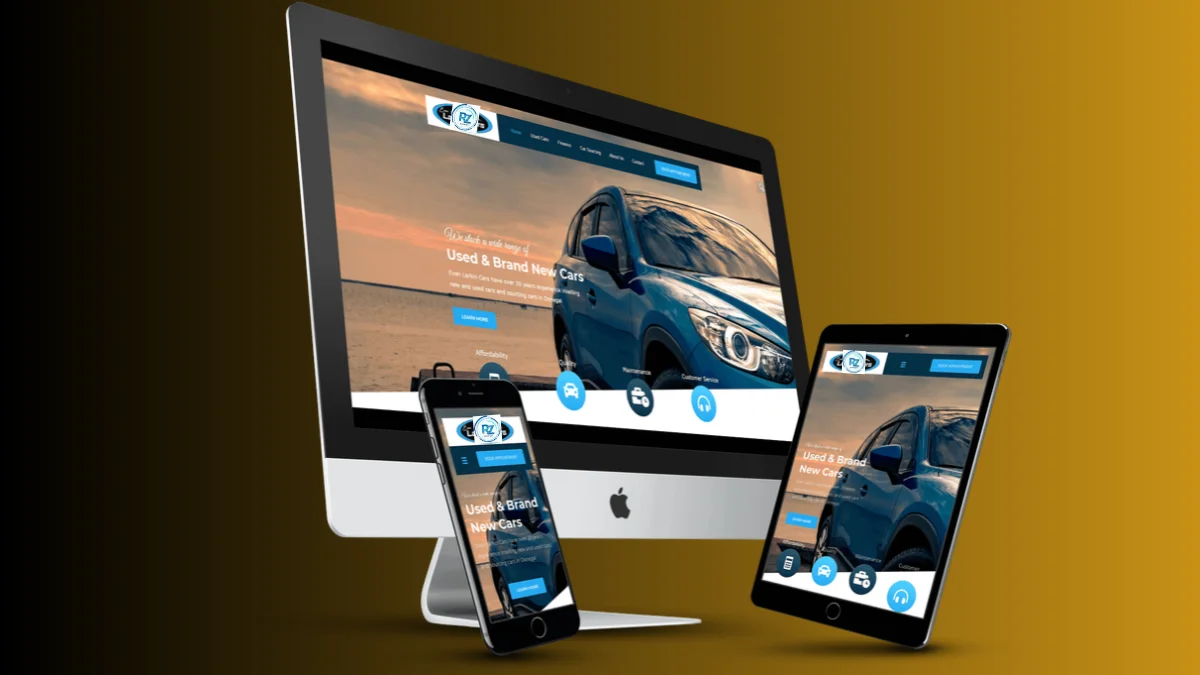
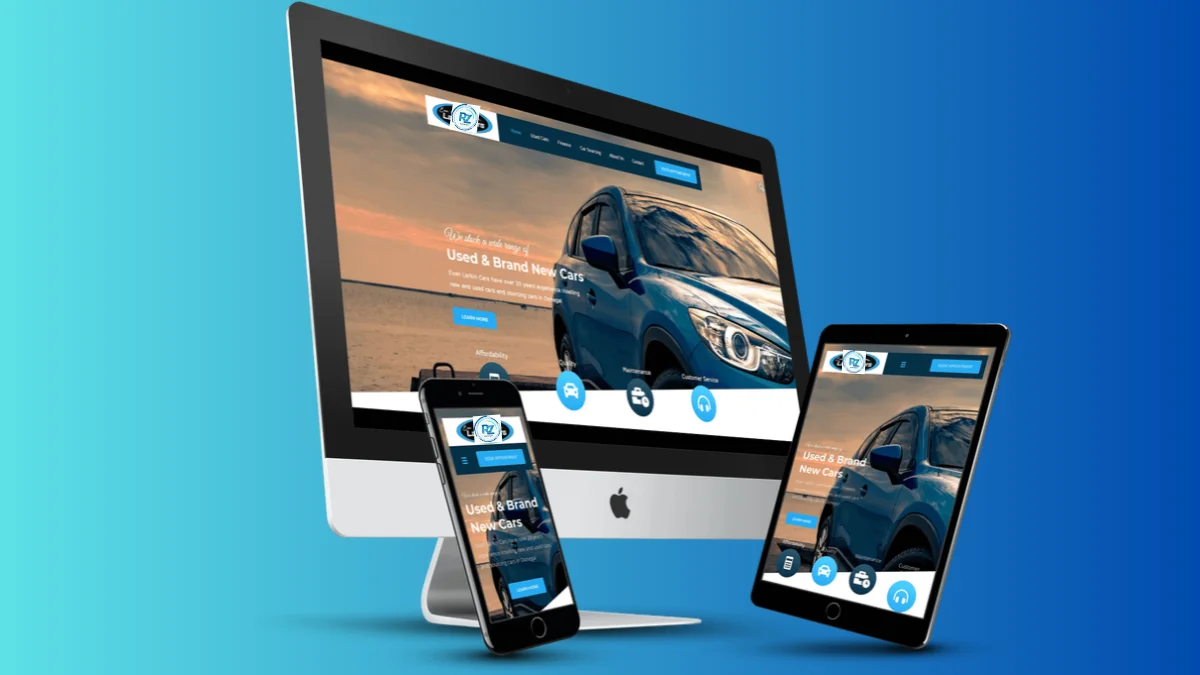
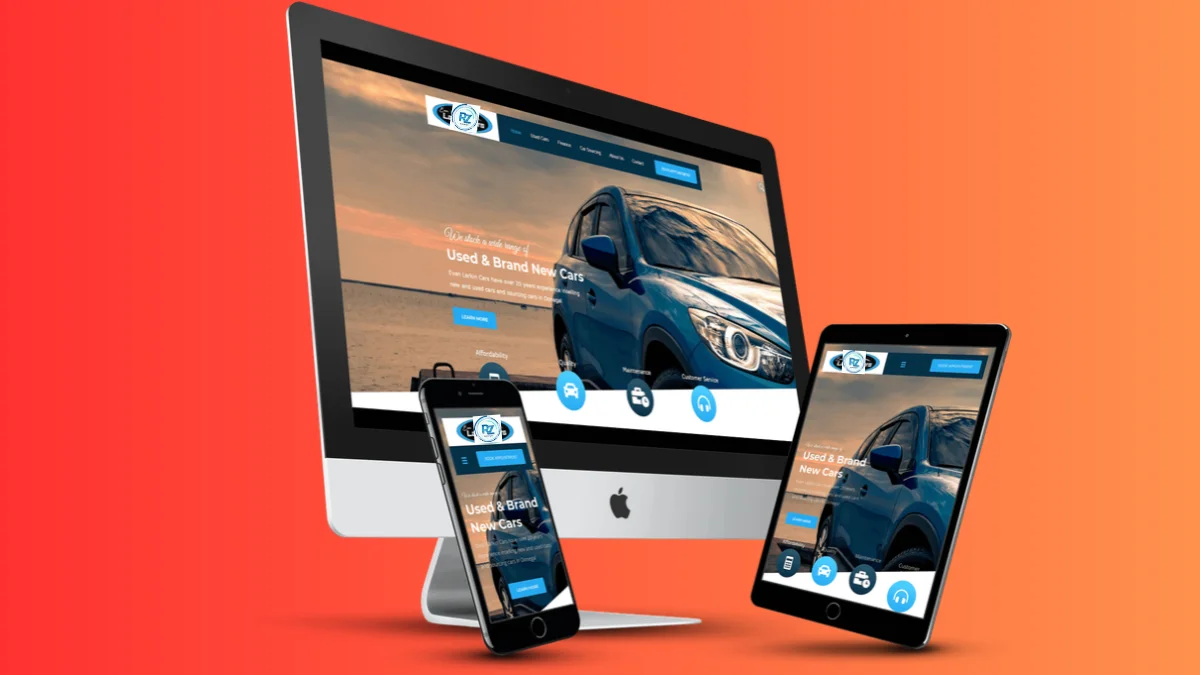
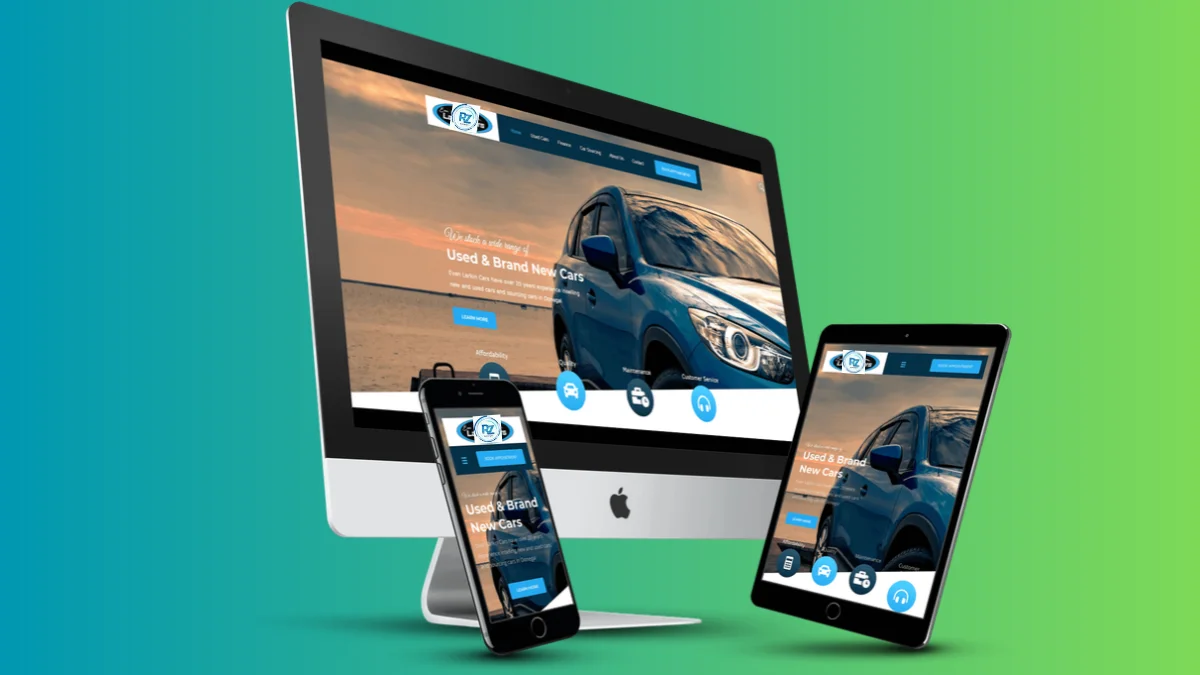
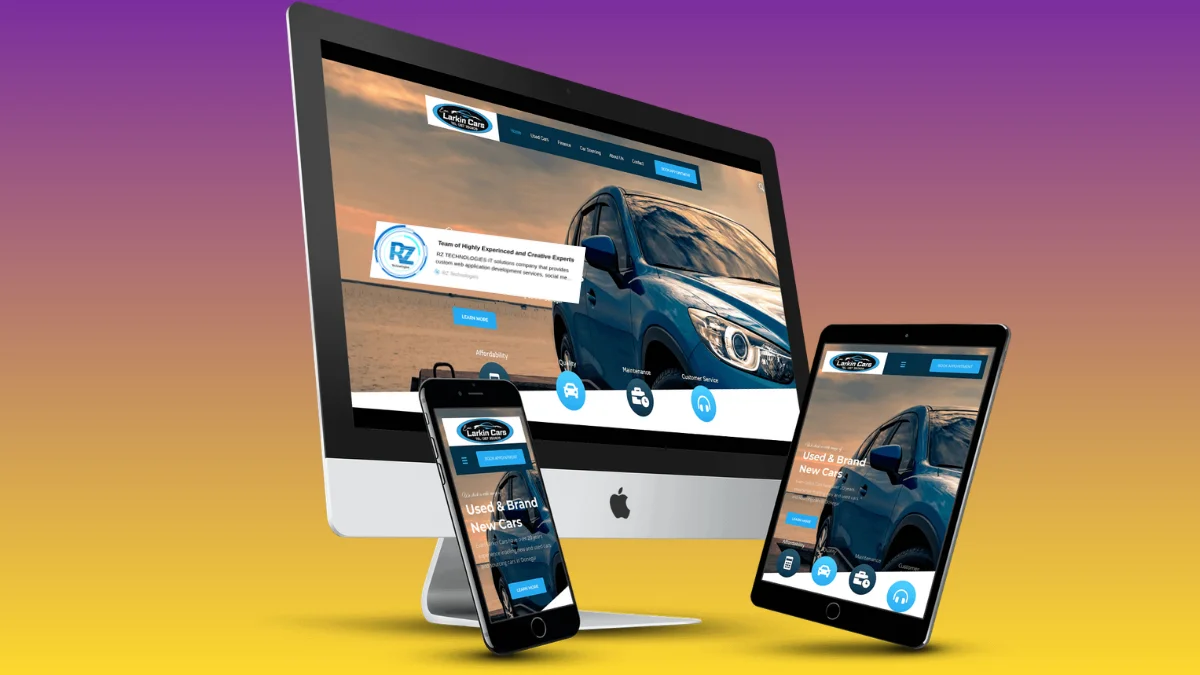
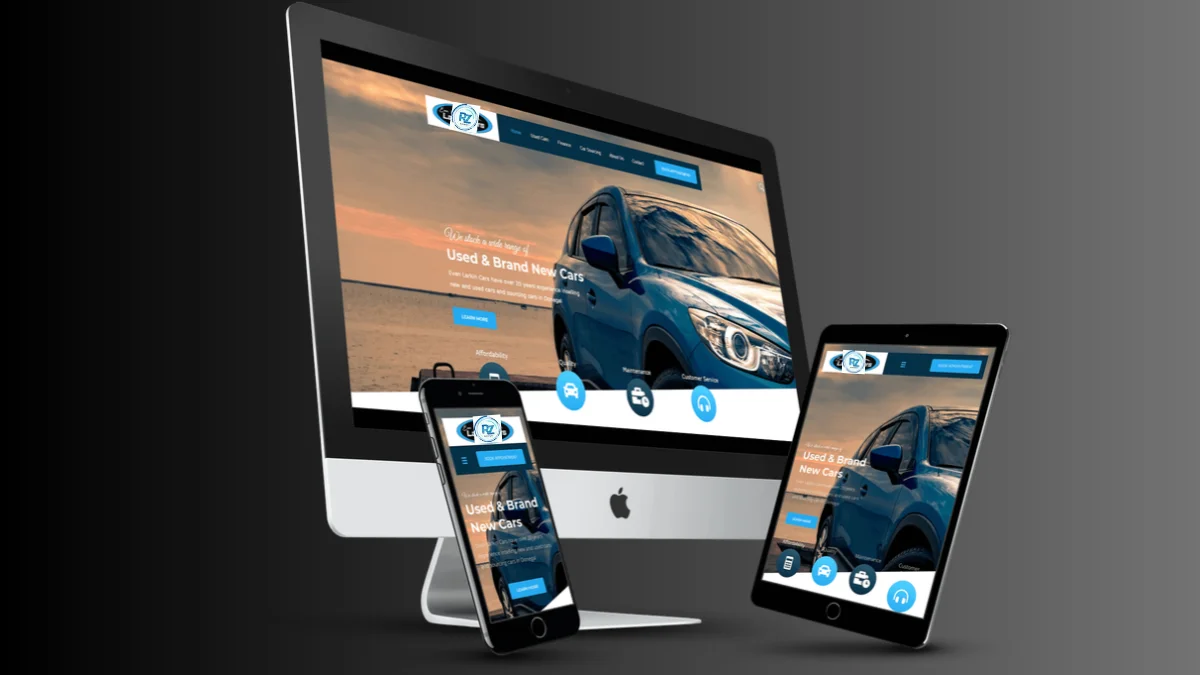
Responsive website design ensures that a website adjusts automatically to different screen sizes.
Customers may visit your website through smartphones, tablets, laptops, and desktop computers. Each visitor should receive a consistent and convenient browsing experience.
Responsive development includes flexible layouts, properly sized images, readable typography, accessible navigation menus, and mobile-friendly forms.
A mobile-friendly website makes it easier for customers to explore services and contact your company from any device.
Businesses with outdated websites may require redesign services to improve their digital presence.
A website redesign involves updating the visual appearance, page structure, navigation, content presentation, and functionality.
Developers may also improve website speed, mobile responsiveness, accessibility, and technical SEO.
During a redesign, it is important to preserve valuable URLs, existing search rankings, and relevant content wherever possible.
A properly planned redesign can help businesses deliver a better user experience without unnecessarily losing the value of their existing website.
Some companies need more advanced digital solutions than traditional business websites.
Web application development provides interactive platforms that allow users to perform specific tasks through a browser.
Examples include customer management systems, booking applications, employee portals, online calculators, inventory systems, and subscription platforms.
These applications can integrate with databases, payment services, APIs, and other business software.
A professional business website should include features that improve usability, communicate important information, and support business objectives.
The homepage is often the first page visitors see when they access your website.
It should clearly communicate what your company does, who it serves, and why customers should consider your services.
A professional homepage may include a headline, introduction, service overview, company benefits, testimonials, featured projects, and clear contact options.
Website navigation helps visitors find important information quickly.
A well-organised menu should include relevant sections such as Home, About Us, Services, Projects, Blog, and Contact.
For larger websites, dropdown menus and category structures can make content easier to explore.
Every important service should have a dedicated page explaining what your business offers.
Detailed service pages help visitors understand your solutions, benefits, processes, and relevant experience.
They also provide opportunities to target specific search keywords through SEO-friendly content.
Contact forms make it easier for potential customers to send enquiries.
Depending on your business, you may include quotation forms, consultation requests, appointment forms, or general contact forms.
Forms should be easy to complete, properly tested, and protected against spam.
Customer feedback can help build confidence in your services.
A testimonials section allows businesses to showcase genuine customer experiences and demonstrate the quality of their work.
Always use authentic reviews and obtain appropriate permission before publishing customer information.
Your website should display accurate business contact information.
This may include your telephone number, business email address, registered business details where appropriate, and physical address.
Businesses serving local customers can also include a map and relevant service-area information.
Security is essential for websites that collect enquiries, manage customer accounts, or process transactions.
Important measures include HTTPS, secure authentication, regular software updates, backups, access controls, and appropriate data protection practices.
Search engine optimisation is an important part of developing a business website.
A professional website should be structured so that search engines can understand its pages and users can easily find relevant information.
For businesses targeting Danish customers, SEO should consider local search behaviour, industry-specific keywords, and the language preferences of the target audience.
Keyword research helps identify the phrases potential customers use when searching for products and services.
For example, a website development company may target keywords such as Business Website Development Denmark, Website Development Company Denmark, Custom Website Development Denmark, and Professional Web Design Denmark.
Relevant keywords should be incorporated naturally into page titles, headings, service descriptions, and website content.
Many Danish businesses benefit from publishing content in Danish and English.
A Danish-language website can help companies communicate with local customers, while English content may support international business opportunities.
Multilingual websites should use properly translated content, language-specific URLs where appropriate, and correct hreflang implementation when targeting multiple language versions.
Each important website page should have a unique SEO title and meta description.
These elements help describe the page to search engines and can influence how the page appears in search results.
For example, a business website development service page could use the title "Business Website Development Services in Denmark".
Fast-loading websites provide a better browsing experience.
Developers can improve website performance through image optimisation, caching, efficient code, suitable hosting, and reducing unnecessary scripts.
Core Web Vitals can also help identify performance and user experience issues.
Technical SEO helps ensure that search engines can access and understand website content.
Important technical elements include:
SEO-friendly development creates a strong foundation for ongoing digital marketing activities.
Selecting the right technology is important for building a reliable and scalable website.
Different platforms offer different advantages depending on the project's complexity and business requirements.
WordPress is suitable for company websites, blogs, service platforms, and many ecommerce projects.
It offers a flexible content management system and a large ecosystem of themes and plugins.
These technologies form the foundation of modern website development.
HTML structures website content, CSS controls its appearance, and JavaScript adds interactive functionality.
PHP and MySQL are widely used for backend website development and database management.
They can support custom business websites, content management systems, customer registration, and dynamic website functionality.
React is a JavaScript library used to build interactive user interfaces.
It can be useful for customer dashboards, dynamic applications, and websites that require complex frontend interactions.
Next.js is a framework built around React that supports modern web application development.
It offers features such as server rendering, routing, and flexible rendering strategies that can help developers build performant websites and applications.
Shopify and WooCommerce are popular ecommerce solutions.
The appropriate choice depends on the company's product catalogue, payment requirements, management preferences, integrations, and long-term business plans.
Website development costs vary according to project size, design complexity, functionality, development technology, and the experience of the service provider.
A simple company website generally requires less work than a custom business platform or ecommerce website with advanced integrations.
The following table provides illustrative planning ranges in Danish kroner (DKK). These are not fixed quotations or verified market averages for 2027.
Website TypeIllustrative BudgetBasic business websiteDKK 8,000–20,000Small business websiteDKK 12,000–30,000WordPress business websiteDKK 15,000–40,000Corporate websiteDKK 25,000–75,000Ecommerce websiteDKK 25,000–100,000Custom website developmentDKK 30,000–150,000+Advanced web applicationDKK 75,000–300,000+
Actual prices may differ significantly depending on whether the project uses a template, customised design, custom programming, advanced integrations, or ongoing development support.
Website Size: A website with five pages generally requires less development work than a large platform with multiple departments and extensive content.
Design Requirements: Custom user interface design, animations, illustrations, and complex layouts can increase development time.
Website Functionality: Booking systems, customer dashboards, ecommerce checkout, payment integrations, and database features affect the overall budget.
Content Creation: Copywriting, professional photography, graphic design, and translation may require additional investment.
SEO Requirements: Basic SEO setup is different from a comprehensive SEO campaign involving keyword research, content development, and ongoing optimisation.
Hosting and Maintenance: Hosting, domain registration, premium software licences, security monitoring, and regular maintenance should be considered when planning the total website budget.
Before starting a project, request a detailed quotation that explains the development scope, payment arrangements, ownership, delivery timeline, and ongoing costs.
Website accessibility and data protection are important considerations for businesses operating in Denmark.
A professional website should be designed to provide a usable experience for visitors with different needs and abilities.
Accessibility improvements may include keyboard navigation, readable typography, sufficient colour contrast, descriptive image alternatives, accessible forms, and clear error messages.
Businesses should also understand whether specific accessibility legislation applies to their website or online services. The European Accessibility Act has applied since 28 June 2025 to certain products and services, including covered consumer-facing ecommerce services. Exemptions and requirements depend on the type and size of the business.
Data protection is another essential consideration. Websites that collect customer enquiries, email addresses, account information, or payment details should be designed with appropriate privacy and security measures.
Important considerations include:
Businesses should assess their specific legal obligations rather than assuming that every website has identical requirements.
Different industries require different website features and functionality.
A professional development provider should understand the target audience and create a website that supports the company's particular business objectives.
Construction and engineering companies can use professional websites to showcase completed projects, explain technical services, introduce their teams, and receive quotation requests.
Useful features include project galleries, service pages, case studies, customer testimonials, and enquiry forms.
Healthcare providers need websites that communicate services, introduce medical professionals, provide opening hours, and support appointment enquiries.
These websites should prioritise accessibility, accurate information, and appropriate protection of personal data.
Retail businesses can use ecommerce platforms to showcase products, manage inventory, process payments, and handle online orders.
A successful online store should provide convenient navigation, clear product descriptions, reliable checkout functionality, and transparent delivery information.
Restaurants, cafes, hotels, and hospitality providers benefit from websites that display menus, room information, opening hours, image galleries, and booking options.
Mobile-friendly design is particularly important because customers frequently access hospitality information through smartphones.
Financial advisors, consultants, and professional service providers need websites that present their expertise and build trust.
Company profiles, service descriptions, case studies, professional credentials, and contact forms can help communicate their value.
Schools, training centres, and educational organisations can use websites to publish course information, admission details, schedules, and registration forms.
More advanced platforms may include student accounts, learning management systems, and online course functionality.
Manufacturing companies can use websites to display product catalogues, technical specifications, production capabilities, certifications, and business contact information.
B2B websites may also include quotation request systems, customer portals, and integrations with business management software.
Website development continues to evolve as customer expectations and digital technologies change.
Businesses should focus on trends that improve functionality, accessibility, security, and user experience rather than adopting technologies simply because they are popular.
Artificial intelligence can support websites through automated customer assistance, intelligent search, content recommendations, and conversational interfaces.
For example, a service company may use a chatbot to answer common questions and guide customers towards relevant services.
AI features should be implemented responsibly, particularly when processing customer information.
Modern website design increasingly focuses on clarity and usability.
Clean layouts, readable typography, consistent spacing, and simple navigation help visitors find information without unnecessary distractions.
A professional website should make important actions easy to understand.
Mobile devices remain an important part of the customer journey.
Businesses should prioritise responsive layouts, accessible menus, fast-loading pages, and simple enquiry forms.
Progressive Web Apps can provide selected application-like experiences through web technologies.
Depending on business requirements, they may support installability, offline functionality, and improved user interactions.
Accessible website design makes digital services easier for more people to use.
Developers should consider keyboard accessibility, screen reader support, clear form labels, colour contrast, and descriptive content.
Fast websites help visitors access information without unnecessary delays.
Image compression, efficient code, caching, suitable hosting, and Core Web Vitals optimisation can contribute to better performance.
Businesses should provide transparent information about data collection and use.
Clear privacy policies, suitable cookie consent mechanisms, and secure data handling help establish trust with website visitors.
Selecting the right development company is an important decision for any organisation.
The provider should understand your business requirements, recommend suitable technologies, and deliver a website that supports your objectives.
Start by reviewing the company's portfolio.
Look at the websites it has developed and assess their visual quality, navigation, responsiveness, loading performance, and functionality.
Try to find projects related to your industry or similar business requirements.
Different projects require different technical skills.
For example, a WordPress business website requires knowledge of WordPress development, themes, plugins, and content management.
A custom web application may require experience with PHP, JavaScript, React, Next.js, databases, and API integrations.
Choose a development provider with relevant experience.
Request detailed quotations from different development providers.
Compare what each proposal includes, such as design, development, content integration, SEO setup, testing, deployment, and support.
Avoid choosing a company only because it offers the lowest price.
A reliable development provider should explain the project stages and delivery expectations.
You should understand how the website will be planned, designed, developed, tested, and launched.
Clear communication helps prevent misunderstandings during development.
Make sure your business receives appropriate administrative access to the website, hosting account, domain, and relevant project assets.
Clarify source-code ownership, software licences, and transfer arrangements before signing an agreement.
Websites require maintenance after launch.
Ask whether the company provides updates, backups, security checks, performance improvements, and technical troubleshooting.
Understanding ongoing support arrangements can help you plan future website expenses.
Even a professionally designed website can underperform if important development considerations are ignored.
One common mistake is focusing entirely on appearance while neglecting website functionality. A website should not only look attractive but also help visitors find information and complete important actions.
Another mistake is ignoring mobile responsiveness. A website that works properly on desktop computers but has difficult navigation on smartphones can create a poor customer experience.
Businesses should also avoid unnecessary plugins, scripts, and animations. Excessive features can increase maintenance requirements and negatively affect website performance.
Ignoring SEO is another common problem. Without a proper page structure, useful content, descriptive titles, and technical optimisation, a website may struggle to attract organic visitors.
Finally, businesses should not overlook website security and maintenance. Regular updates, backups, and security monitoring help protect the website and maintain reliable functionality.
A professional business website should be viewed as a long-term investment rather than simply a one-time design expense.
It provides a central platform for marketing, customer communication, brand development, and online services.
A well-developed website allows businesses to publish information, promote new services, showcase their work, and attract potential customers through search engines and other digital channels.
It can also support business operations through appointment booking, online payments, customer dashboards, and automated enquiry management.
For Danish startups and established organisations, the right website can provide a foundation for future digital improvements.
By choosing suitable technologies, prioritising customer experience, and maintaining the platform regularly, businesses can develop an online presence that continues to support their objectives as they grow.
Business website development costs depend on the website's size, design, and functionality. A basic business website may have a budget starting around DKK 8,000, while corporate websites, ecommerce platforms, and custom applications can require considerably larger investments.
Business website development services include website planning, design, frontend development, backend programming, content management, SEO foundations, testing, deployment, and maintenance.
WordPress is suitable for many business websites because it offers flexible content management and extensive customisation options. Shopify and WooCommerce are useful for ecommerce, while custom technologies may be better for specialised applications.
A basic business website may take two to four weeks, while complex corporate websites and ecommerce platforms can take several weeks or months. The timeline depends on project requirements, content preparation, and development complexity.
A professional website helps businesses establish credibility, promote services, reach potential customers, generate enquiries, and communicate their brand identity across Denmark.
Yes. A multilingual website can provide Danish and English content to reach local and international audiences. Proper translation, language-specific URLs, and hreflang configuration should be considered.
Yes. WordPress is a flexible platform for small businesses that need service pages, company information, blogs, contact forms, and ecommerce functionality.
A corporate website should include professional design, company information, service pages, contact details, responsive layouts, customer testimonials, SEO-friendly content, and appropriate security features.
Yes. Online payment functionality can be integrated through suitable payment providers. Danish businesses may consider relevant card payment options and MobilePay, depending on their platform and provider requirements.
Some development packages include basic SEO setup, such as page titles, meta descriptions, heading structure, image alt text, and XML sitemaps. Ongoing SEO campaigns are usually separate services.
Yes. Professional website development should include responsive design so that the website adjusts to smartphones, tablets, laptops, and desktop computers.
Yes. Websites developed with content management systems such as WordPress allow business owners to update pages, images, blog posts, and other content through an administrative dashboard.
WordPress development uses the WordPress content management system, themes, plugins, and custom extensions. Custom website development involves building functionality and architecture according to specific business requirements using suitable programming technologies.
Yes. Regular maintenance helps keep websites secure, functional, and updated. It may include software updates, backups, security monitoring, broken link checks, and performance optimisation.
Review the company's portfolio, technical experience, customer feedback, pricing, communication, development process, and maintenance services. Make sure the provider understands your business goals and clearly explains the project scope.