In 2027, having a professional website is no longer optional for businesses operating in the United Kingdom. Whether you run a small business, an established company, an online store, or a growing startup, your website plays an important role in attracting customers, building brand awareness, and generating revenue. As more consumers search for products and services online, businesses need websites that are visually appealing, mobile-friendly, fast-loading, secure, and optimized for search engines.
SEO-friendly website development services in the United Kingdom help businesses establish a strong online presence and compete effectively in the digital marketplace. A professionally developed website does more than display company information. It provides a complete digital experience that helps visitors understand your services, explore products, contact your team, and make purchasing decisions.
Search engine optimization (SEO) has become an essential part of modern website development. A website should be built with clean code, a logical structure, optimized images, responsive layouts, and search-engine-friendly URLs. These technical elements make it easier for search engines such as Google to discover, crawl, and understand website content.
Businesses across London, Manchester, Birmingham, Leeds, Liverpool, Bristol, Glasgow, Edinburgh, and other UK cities are investing in modern website development to reach their target audiences. From WordPress websites to custom web applications and eCommerce platforms, companies are looking for development solutions that support their long-term digital goals.
In this guide, we will explore the importance of SEO-friendly website development services in the United Kingdom for 2027, including modern technologies, essential website features, development processes, SEO strategies, and the benefits of working with professional website developers.
SEO-friendly website development refers to creating websites that provide an excellent user experience while following search engine optimization best practices. It combines website design, programming, technical optimization, and content structure to help businesses improve their online visibility.
A professionally developed website should make it easy for visitors to navigate between pages, understand the available information, and complete important actions. At the same time, search engines should be able to access website content, understand its structure, and index relevant pages.
In the United Kingdom, businesses operate in competitive markets where customers frequently compare multiple service providers before making decisions. A website that loads slowly, contains broken links, or offers a confusing navigation experience may cause visitors to leave and explore competitors.
SEO-friendly development addresses these problems from the beginning of the development process.
For example, a plumbing company in Birmingham may need separate website pages for emergency plumbing, bathroom installation, boiler repair, and commercial plumbing. Each page should have a clear URL, relevant content, descriptive headings, and internal links.
Similarly, an accounting firm in London may require service pages targeting bookkeeping, tax preparation, business accounting, and financial consulting.
A well-structured website makes these services easier to discover through organic search.
Modern SEO-friendly development also considers website accessibility, structured data, mobile usability, Core Web Vitals, and secure browsing. These elements contribute to a better overall experience for both visitors and search engines.
The main objective is to create a website that supports business growth instead of simply acting as an online brochure.
The digital marketplace continues to evolve, and businesses must adapt to changing customer expectations. Consumers expect websites to load quickly, display correctly on mobile devices, provide useful information, and offer convenient ways to communicate with businesses.
Professional website development services help UK companies meet these expectations.
One important reason businesses need professional development is competition. Companies in industries such as real estate, healthcare, automotive, education, hospitality, construction, and professional services compete for attention through online platforms.
A professionally developed website helps businesses communicate their value and build trust with potential customers.
Another important factor is customer experience. Visitors generally prefer websites that are easy to understand and navigate. If a website contains confusing menus, outdated layouts, or complicated contact forms, potential customers may leave without making an inquiry.
Website performance also affects business results. Slow-loading pages can frustrate visitors, particularly those using mobile networks. Professional developers optimize website assets, scripts, images, and server configurations to improve loading performance.
Businesses also need websites that can grow with their operations. A startup may initially require a simple five-page website, but later it might need an online booking system, customer dashboard, payment gateway, or eCommerce functionality.
Professional website development makes it possible to build scalable solutions that support these future requirements.
The major benefits include:
For UK businesses planning long-term digital growth, investing in professional website development is an important business decision.
Custom website development is an effective solution for businesses that need unique functionality, flexible designs, and features tailored to their operations.
Unlike basic website templates, custom development allows developers to create websites based on specific business requirements. The design, layout, functionality, and database structure can be developed according to the company's objectives.
For example, a property management company may require a website that allows users to browse available properties, filter listings, submit inquiries, and schedule property viewings.
A recruitment company might need a platform where employers can publish vacancies and candidates can upload CVs and apply for jobs.
A custom website can support these requirements through dedicated functionality.
Custom website development generally involves frontend development, backend programming, database integration, API development, and third-party service integration.
Frontend technologies such as HTML5, CSS3, JavaScript, React.js, and Next.js help developers create interactive user interfaces. Backend technologies such as PHP, Node.js, and Python support server-side functionality, data processing, and application logic.
Database systems such as MySQL and MongoDB can be used to store website information, customer records, products, and other application data.
For UK companies with specific operational requirements, custom development offers greater control over website functionality.
Some common custom development solutions include:
Custom development also provides opportunities to implement advanced SEO features, including customizable metadata, structured URL systems, XML sitemaps, canonical tags, and schema markup.
When planned correctly, custom website development creates a flexible digital platform that supports business operations and online marketing activities.
WordPress remains a popular content management system for businesses that want to manage website content without depending entirely on developers.
WordPress website development services are suitable for startups, small businesses, agencies, professional service providers, bloggers, and established companies.
One of the biggest advantages of WordPress is its flexibility. Businesses can use it to create company websites, blogs, portfolios, landing pages, membership platforms, and online stores.
Professional WordPress developers can customize themes, develop plugins, configure page builders, and implement business-specific functionality.
Popular tools such as Elementor, Gutenberg, and other WordPress page builders help businesses manage layouts and content more efficiently.
For eCommerce businesses, WooCommerce provides features for product management, shopping carts, checkout processes, payment integration, and order management.
However, installing WordPress alone does not guarantee good SEO performance. The website must be configured and developed correctly.
An SEO-friendly WordPress website should include optimized page titles, meta descriptions, heading structures, descriptive URLs, image alt text, internal linking, XML sitemaps, and appropriate schema markup.
Website performance is another important consideration. Developers should avoid unnecessary plugins, optimize images, use effective caching, and select reliable hosting services.
Security should also be included in the development process. Regular updates, secure login configurations, SSL certificates, and reliable backups help protect WordPress websites.
For UK businesses that regularly publish articles, service updates, news, and educational content, WordPress provides an accessible platform for managing an ongoing SEO strategy.
A properly developed WordPress website can support business growth while giving website owners greater control over their digital presence.
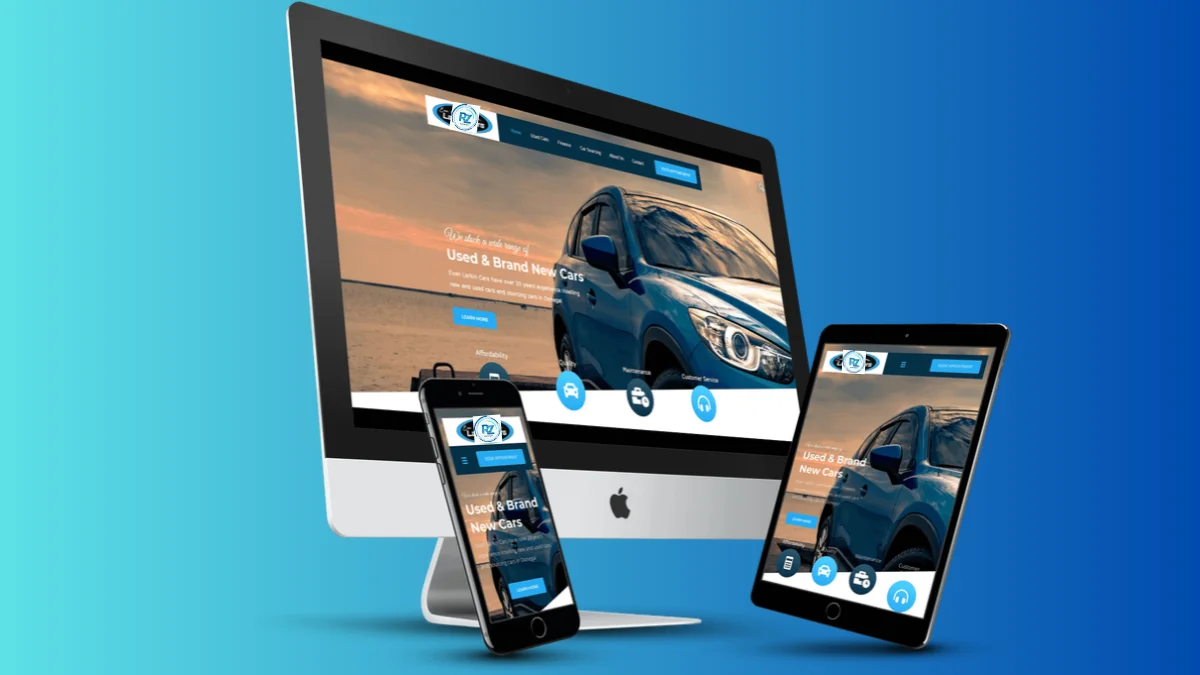
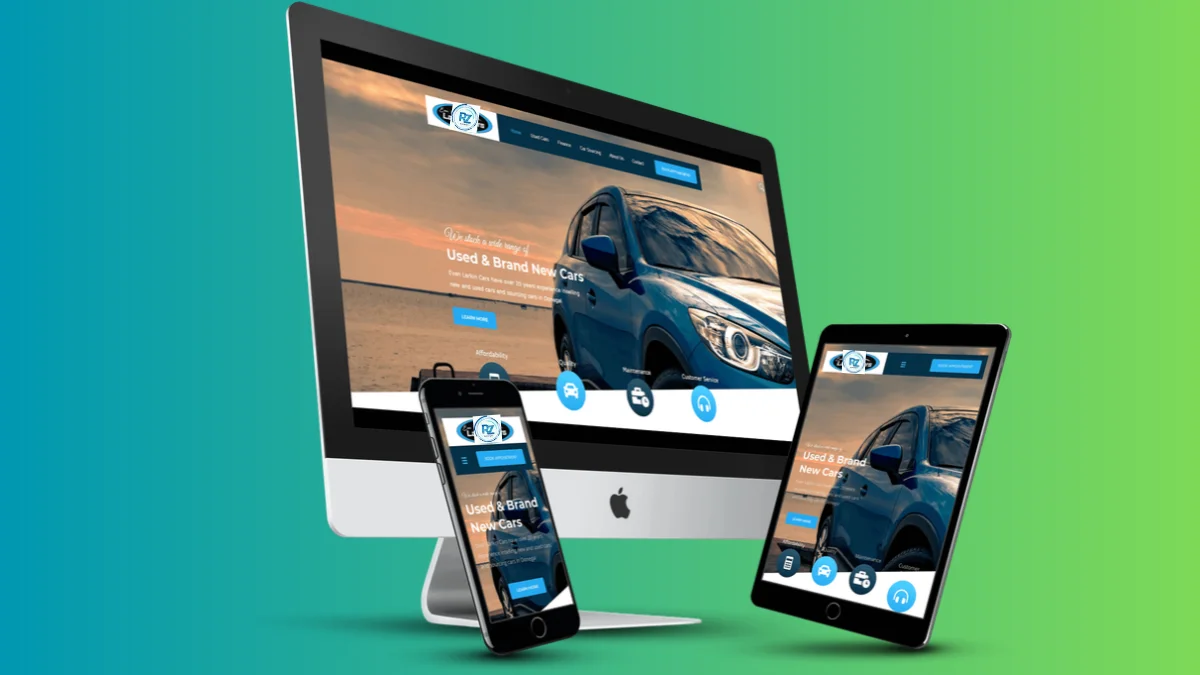
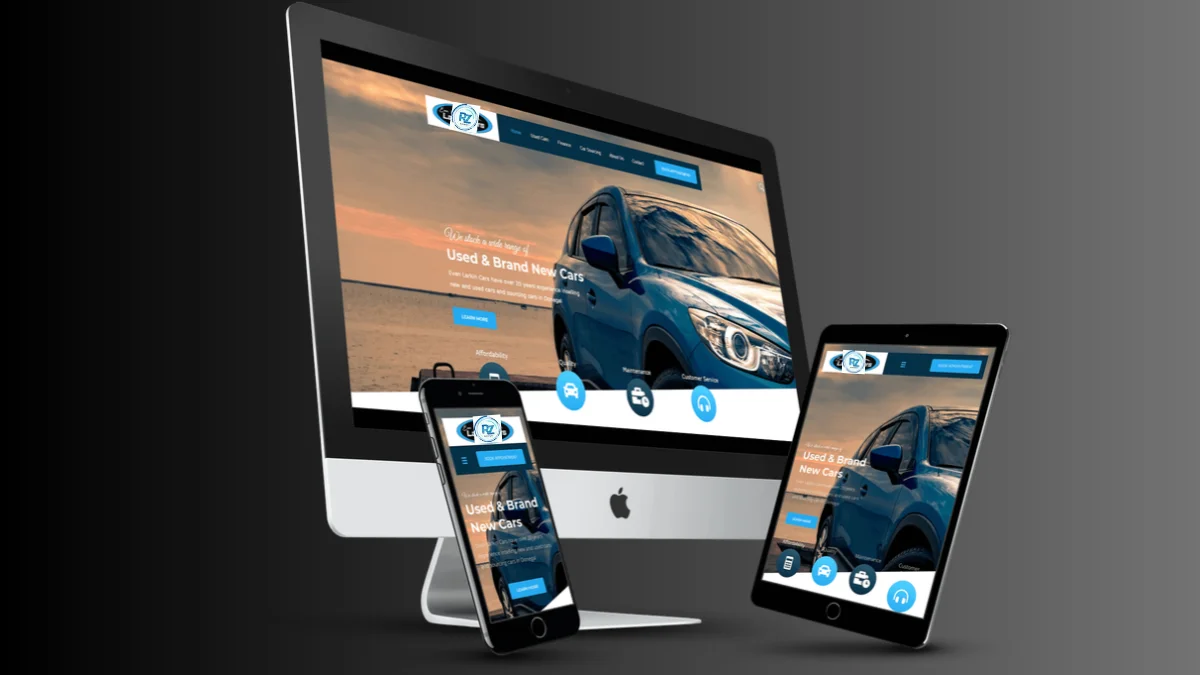
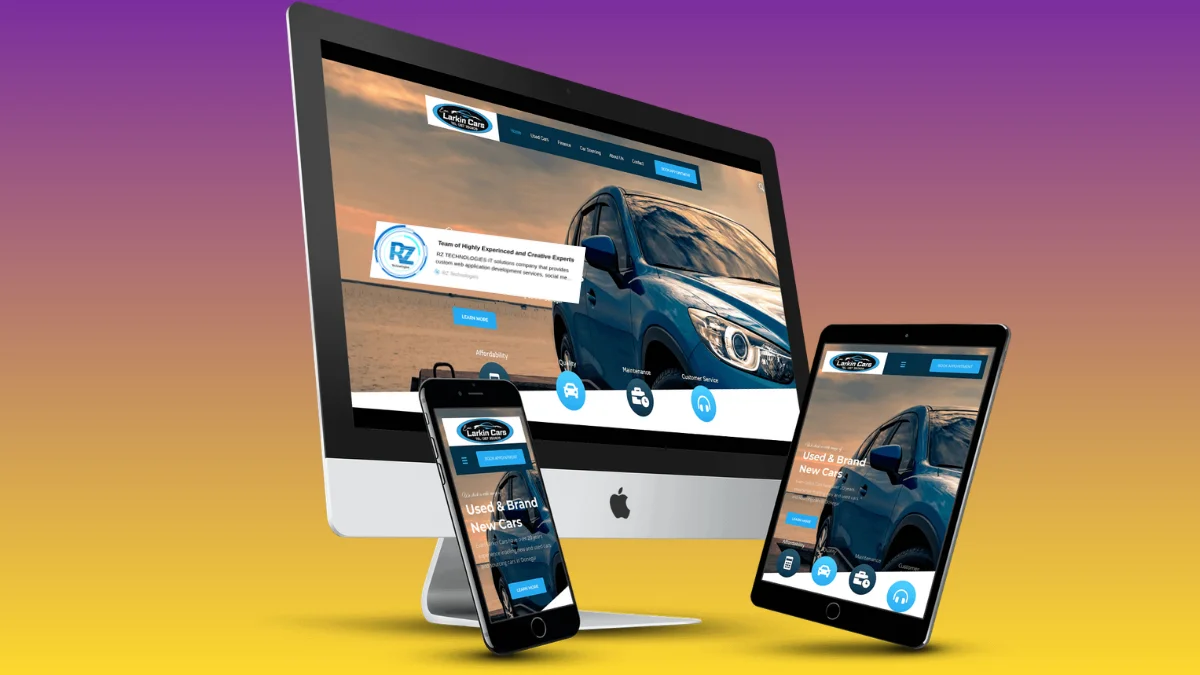
Responsive website design is an essential part of modern website development. It ensures that a website automatically adjusts its layout and content according to the screen size and device being used.
People access websites through smartphones, tablets, laptops, and desktop computers. A website that works perfectly on a desktop but displays incorrectly on mobile devices can create a poor user experience.
For UK businesses, mobile-friendly development is particularly important because customers frequently use smartphones to search for nearby services, compare products, read reviews, and contact companies.
A responsive website uses flexible layouts, CSS media queries, scalable images, and adaptable navigation systems to provide a consistent experience across different screen sizes.
For example, an online clothing store should allow mobile users to browse product categories, view product images, select sizes, and complete purchases without unnecessary difficulty.
Likewise, a restaurant website should make it easy for visitors to view menus, find opening information, and make reservations.
Responsive development should also consider touch-friendly buttons, readable typography, appropriate spacing, and mobile-friendly forms.
Google primarily uses the mobile version of website content for indexing and ranking. Therefore, businesses should ensure that important information, structured data, metadata, and internal links remain accessible on mobile devices.
Developers should test websites using different screen resolutions and browsers before launch.
A responsive website provides several advantages:
Responsive website development is not simply a design preference. It is an important requirement for businesses that want to provide a professional digital experience in 2027.
Technical SEO is one of the most important parts of SEO-friendly website development. It focuses on improving the technical structure of a website so search engines can efficiently crawl, understand, and index its pages.
A website may contain valuable content and attractive designs, but technical problems can prevent search engines from accessing important information.
Professional website developers should consider technical SEO throughout the development process rather than treating it as an additional task after launch.
One important factor is website speed. Visitors expect pages to load quickly, and slow websites can negatively affect user experience.
Developers can improve performance by compressing images, minimizing unnecessary JavaScript and CSS, implementing browser caching, enabling compression, and using efficient hosting infrastructure.
Core Web Vitals are also important performance measurements.
These include:
Largest Contentful Paint (LCP): Measures how quickly the main content of a page becomes visible.
Interaction to Next Paint (INP): Measures how responsive a website feels when visitors interact with it.
Cumulative Layout Shift (CLS): Measures unexpected layout movement during page loading.
Other technical SEO requirements include:
XML Sitemap: Helps search engines discover important website URLs.
Robots.txt: Provides crawling instructions for search engine bots.
Canonical Tags: Help identify the preferred version of similar or duplicate pages.
HTTPS Security: Protects information transferred between users and websites.
Structured Data: Helps search engines understand specific content types through supported schema vocabulary.
URL Optimization: Creates descriptive and understandable website addresses.
404 Error Management: Helps identify missing pages and provides appropriate navigation options.
Internal Linking: Connects related pages and helps users and search engines discover relevant content.
Developers should also check redirects, duplicate pages, broken links, indexing settings, and mobile usability before launching a website.
Tools such as Google Search Console, Google PageSpeed Insights, Lighthouse, and Screaming Frog can help identify technical problems.
A technically optimized website provides a stronger foundation for ongoing SEO campaigns and organic search visibility.
The eCommerce industry provides significant opportunities for UK businesses selling products online. From independent retailers to established brands, companies are investing in professional online stores to reach customers and increase sales.
eCommerce website development services help businesses create secure, user-friendly, and scalable online shopping platforms.
A successful eCommerce website should provide a convenient shopping experience from product discovery to final checkout.
Customers should be able to browse categories, search for products, apply filters, compare options, view product details, and complete purchases without unnecessary complications.
Professional developers can build eCommerce websites using WooCommerce, Shopify, Magento, or custom development technologies, depending on the business requirements.
WooCommerce is a suitable option for businesses that want to build an online store using WordPress. It offers product management, inventory control, order processing, and various payment and shipping integrations.
Shopify provides a hosted eCommerce platform with built-in store management features. Magento, now part of Adobe Commerce, supports more complex eCommerce requirements.
Custom eCommerce development may be appropriate for businesses requiring specialized integrations or unique purchasing workflows.
SEO is especially important for online stores because product and category pages can attract customers searching for specific products.
An SEO-friendly eCommerce website should include:
For UK businesses, payment integration should support suitable payment methods and provide a secure purchasing experience.
Developers should also consider delivery information, return policies, privacy requirements, and accessible customer support options.
A professionally developed eCommerce platform can help retailers establish a stronger online presence, improve shopping experiences, and manage business operations more efficiently.
Website security and accessibility are essential considerations for businesses operating in the United Kingdom.
Customers expect websites to protect their information and provide reliable services. Businesses also need to consider relevant legal and regulatory responsibilities when collecting, processing, or storing personal information.
Website security starts with a reliable development environment. Developers should implement HTTPS, secure authentication, updated software, access controls, and appropriate server configurations.
For websites that accept customer information, secure form handling and server-side validation are particularly important.
Developers should avoid exposing sensitive information in frontend code and should use secure methods for storing credentials and API keys.
Other important security practices include:
Data protection is another important responsibility. UK businesses should consider applicable requirements under UK GDPR and the Data Protection Act 2018 when handling personal data.
Websites that use cookies and similar technologies should also consider applicable UK privacy and electronic communications requirements, including consent obligations where relevant.
Accessibility is equally important. A website should be usable by people with different abilities and assistive technologies.
Developers should follow recognized accessibility practices, including the Web Content Accessibility Guidelines (WCAG).
Important accessibility features include:
Accessibility improvements benefit a wider range of users and help businesses provide a more inclusive online experience.
Combining website security, accessibility, and responsible data handling helps businesses establish trust and create a reliable digital platform.
Website development technologies continue to evolve, giving businesses more opportunities to build faster, more interactive, and more flexible digital platforms.
In 2027, companies are increasingly interested in technologies that improve performance, simplify content management, support automation, and provide personalized digital experiences.
One important development is the increasing use of JavaScript frameworks such as React.js and Next.js.
React.js allows developers to build reusable interface components and interactive user experiences. Next.js provides additional capabilities for building modern web applications, including server-side rendering, static generation, and flexible rendering strategies.
These technologies can be useful for websites that require advanced functionality, dynamic content, or application-like experiences.
Headless CMS development is another growing approach. It separates the content management system from the frontend presentation layer, allowing businesses to deliver content across multiple platforms.
API integration also plays an important role in modern development. Websites can connect with CRM platforms, payment gateways, email marketing systems, booking applications, and third-party business services.
Artificial intelligence is influencing website development through chatbots, automated customer support, content recommendations, and personalized user experiences. However, AI-generated functionality should be implemented responsibly and tested for accuracy.
Other important website development trends include:
Progressive Web Applications (PWAs): These technologies can provide app-like experiences through supported web browsers.
Headless WordPress: Separates WordPress content management from the frontend website.
Server-Side Rendering: Can improve initial content delivery and provide search engines with accessible page content when implemented correctly.
Automation Integration: Connects websites with business workflows, customer management tools, and marketing platforms.
Advanced Analytics: Helps businesses understand visitor behavior and evaluate website performance.
Conversion-Focused Design: Uses clear calls to action, intuitive layouts, and simplified customer journeys.
Businesses should not adopt every new technology simply because it is popular. The right technology depends on the company's requirements, budget, audience, and long-term objectives.
A professional development team can help select technologies that provide practical value and support future growth.
Choosing the right website development company is an important decision for any business planning to establish or improve its online presence.
The right development partner should understand your business objectives, target audience, technical requirements, and SEO goals.
Before selecting a company, businesses should evaluate its experience, portfolio, development process, communication practices, and technical capabilities.
A strong portfolio provides insight into the company's design quality and development expertise. Reviewing previous projects can help you understand whether the company has experience building websites similar to your requirements.
Businesses should also check whether the development team understands SEO-friendly development. A professional developer should consider page structure, responsive layouts, website performance, metadata, technical SEO, and search engine accessibility.
Another important factor is customization. Some businesses need a simple corporate website, while others require advanced integrations, customer portals, or eCommerce functionality. The development company should be able to explain how it will approach these requirements.
Before starting a project, discuss the following points:
Project Requirements: Clearly define the website's purpose, pages, features, and target audience.
Design Approach: Review design examples and discuss how the website will represent your brand.
Technology Selection: Understand which CMS, frameworks, programming languages, and hosting solutions will be used.
SEO Implementation: Confirm that technical SEO fundamentals will be considered during development.
Website Security: Discuss SSL, backups, software updates, and security practices.
Project Timeline: Establish realistic milestones for design, development, testing, and launch.
Maintenance and Support: Ask whether ongoing technical support and website maintenance are available.
Pricing and Deliverables: Request a clear proposal explaining project costs, included features, and additional services.
UK businesses can work with local development agencies or international development teams, depending on their budget and project requirements.
The most suitable company is not necessarily the one offering the lowest price. It is the one that understands your business and can deliver a reliable website that supports your long-term objectives.
SEO-friendly website development services in the United Kingdom for 2027 are essential for businesses that want to improve their online visibility, attract potential customers, and build a competitive digital presence.
A professional website combines responsive design, technical SEO, optimized content structure, fast performance, secure development, and user-friendly functionality.
Whether a business needs a custom website, WordPress development, an eCommerce platform, or an advanced web application, the development process should focus on long-term performance and scalability.
Businesses should also consider modern technologies such as React.js, Next.js, API integrations, and headless CMS solutions when these technologies match their requirements.
However, successful website development is not only about choosing the latest tools. It is about understanding customer expectations and creating a digital platform that delivers real business value.
By investing in professional website development and implementing SEO best practices from the beginning, UK companies can establish a stronger foundation for organic search growth, customer engagement, and online business success.
SEO-friendly website development services involve creating websites with optimized structures, responsive designs, fast loading speeds, clean code, search-friendly URLs, and technical SEO features to improve search engine accessibility and user experience.
SEO is important because it helps search engines discover and understand website content. It also supports organic visibility, improves website usability, and helps businesses attract relevant visitors.
Website development costs in the UK depend on the project's complexity, design requirements, functionality, technology, and development company. A basic business website generally costs less than a custom web application or advanced eCommerce platform.
WordPress is suitable for many business websites and content-driven platforms. Shopify is popular for hosted eCommerce stores, while React.js and Next.js are useful for developing modern custom web applications.
Yes. WordPress provides several SEO-friendly features and customization options. With proper technical configuration, optimized content, responsive design, and performance improvements, it can support an effective SEO strategy.
A basic business website may take a few weeks, while complex websites, eCommerce platforms, and custom applications may require several months. The timeline depends on design, functionality, content, and testing requirements.
Responsive website design allows a website to automatically adjust its layout and content according to different screen sizes, providing a consistent experience across smartphones, tablets, laptops, and desktops.
Website speed and user experience are important considerations for SEO. Google's Core Web Vitals measure loading performance, responsiveness, and visual stability, making performance optimization an important part of website development.
Technical SEO involves optimizing website architecture, indexing settings, XML sitemaps, canonical tags, structured data, redirects, mobile usability, and performance to help search engines crawl and understand website pages.
Review the company's portfolio, experience, client feedback, technical skills, SEO knowledge, project management process, pricing, and ongoing support services before making a decision.